
Pterolepis pumila
Pterolepis pumila
Description
Pterolepis pumila is a herbaceous plant belonging to the Melastomataceae family. This species is noted for its compact growth habit and specific morphological traits that are characteristic of tropical flora within this diverse plant family.
The plant originates from regions in South and Central America. In its natural habitat, Pterolepis pumila is typically found in humid tropical zones, adapting to weathered soils. Its current distribution in cultivation is largely restricted to botanical gardens, conservatory collections, and specialized ornamental nurseries.
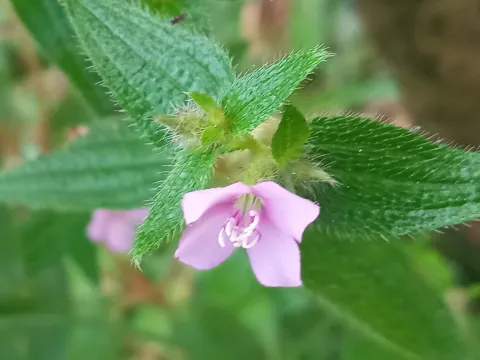
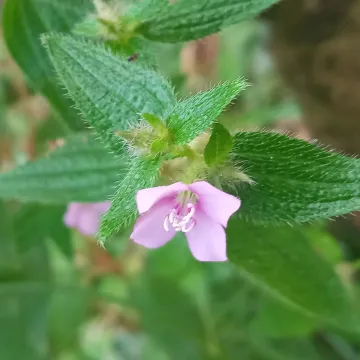
Botanically, the plant is distinguished by its leaves, which feature pronounced longitudinal venation, a common trait in Melastomes. Pterolepis pumila develops low-growing, well-branched stems that are often covered with fine trichomes. The flowering phase results in small, delicate flowers that enhance the plant's ornamental appeal.
Successful cultivation requires a specific microclimate, including high relative humidity and temperatures ranging between 20 and 25 degrees Celsius. The growing medium must be light, slightly acidic, and well-draining, as the plant is highly sensitive to root asphyxiation caused by waterlogging. Proper agrotechnical practices also include regular but measured applications of balanced fertilizers.
The primary use of Pterolepis pumila is strictly ornamental, often utilized in tropical greenhouse displays or as a boutique container plant. Typical pests and diseases associated with the culture include:
- Spider mites occurring in conditions of low air humidity.
- Mealybugs that cluster in leaf axils.
- Root rot pathogens triggered by excessive substrate moisture.
Photo gallery