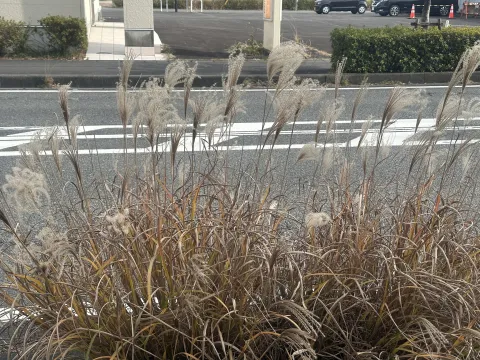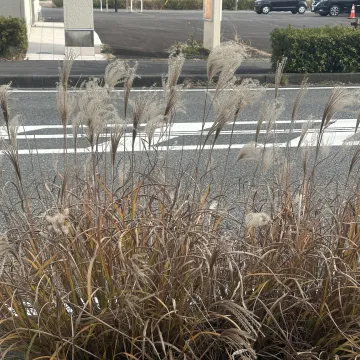
Amur silver grass
Miscanthus sinensis Andersson subsp. purpurascens (Andersson) Tzvelev
Description
Amur silver grass, scientifically known as Miscanthus sinensis subsp. purpurascens, is a prominent perennial grass species belonging to the Poaceae family. This plant is widely recognized in agriculture for its robustness, structural integrity, and ability to generate massive amounts of biomass annually, which serves as a critical resource for various industrial processes.
Originating from East Asia, this subspecies is naturally adapted to diverse climates ranging from cool temperate regions to humid subtropical zones. Its expansion into international markets is driven by the global demand for sustainable crops that can thrive in marginal lands with minimal chemical inputs, making it an ideal candidate for large-scale agricultural operations in the Northern Hemisphere.
The botanical profile of this species is defined by its strong, upright stems and foliage that shifts from deep green in summer to a vibrant reddish-purple hue in autumn. The plant develops a complex rhizome system that allows it to persist for several decades. This biological structure contributes to the soil health by adding significant organic matter through its root turnover and dense canopy cover.
Agronomic management of this crop requires careful site selection, prioritizing well-drained soils with adequate access to sunlight. While established stands are highly drought-tolerant, seedlings require consistent soil moisture to develop a strong rooting system. Weed control is essential during the initial establishment phase, as the growth rate is relatively slow until the plant reaches its full vigor in the second or third year.
The primary economic value of this crop lies in its biomass production for bioenergy generation, specifically as a high-quality feedstock for combustion plants. Beyond energy, it is being extensively studied and utilized for producing bioplastics, high-strength cellulose fibers, and as a natural barrier to prevent soil erosion. Its natural resilience generally protects it from major pests, although proper field management is advised to prevent occasional fungal issues.
Photo gallery