

Crop
Tall oat-grass
Arrhenatherum elatius (L.) P. Beauv. ex J. Presl & C. Pres
Description
Tall oat-grass (Arrhenatherum elatius) is a perennial bunchgrass belonging to the Poaceae family. Recognized for its aggressive growth rate and substantial forage yield, it serves as a critical component in many agricultural systems, particularly in regions where intensive hay production is the primary goal for livestock feeding.
Native to Europe and parts of Western Asia, this grass species has successfully naturalized in many temperate regions globally. It thrives in well-drained, moderately fertile soils and demonstrates excellent drought tolerance compared to other common pasture grasses. This adaptability allows it to maintain productivity even when moisture levels fluctuate during the active growing season.
Botanically, the plant is characterized by its tall, sturdy culms which can reach heights of up to 1.5 meters. The foliage is typically light green, and the inflorescence is an open, nodding panicle with spikelets featuring long, twisted awns. Its development starts early in the spring, allowing farmers to secure an early first cut, which is highly advantageous for regional forage planning.
Agronomic management for tall oat-grass involves site selection with good drainage, as the species is sensitive to waterlogged or overly acidic soils. Establishing a uniform stand requires clean seedbeds and precise sowing depth. Nitrogen application is essential to promote lush vegetative regrowth after harvests. Under proper management, a single stand can remain productive for several years, providing reliable yields annually.
The primary agricultural applications of tall oat-grass include:
- Production of high-quality hay when harvested at the boot stage.
- Utilization as part of diverse meadow seed mixtures to enhance yield stability.
- Use in green manure or cover cropping systems in specific rotations.
- Suitability for livestock grazing, provided that stocking rates are managed to prevent overgrazing.
Disease management is vital for maintaining yield quality. Tall oat-grass is susceptible to common rust diseases and powdery mildew, particularly in humid or overcrowded conditions. Pests such as cereal flies can impact seedling vigor. Integrated pest management strategies, focusing on optimal cutting times and maintaining adequate soil nutrient levels, are generally sufficient to mitigate the risk of significant damage.
Контент-граф
Connections · Tall oat-grass
Most often together:
Marketplace
Products · 12




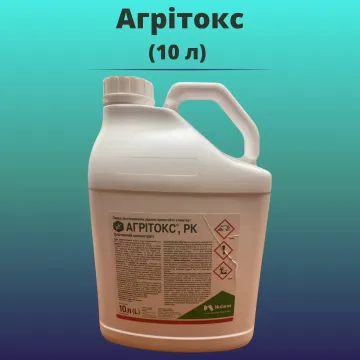
AGROTEX, RK (2-methyl-4-chlorophenoxyacetic acid in the form of dimethyl
Nufarm
Herbicides, Desiccants
0
0
·
21
1 offer
0.9 €за 1 л
Купить
