Rhaphidophora hayi
Rhaphidophora hayi
Description
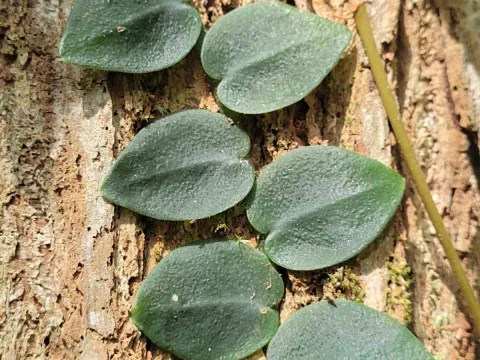
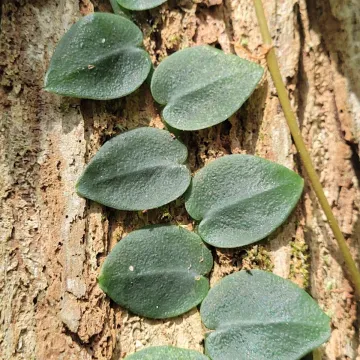
Rhaphidophora hayi is a remarkable climbing plant species belonging to the Araceae family. It is most famous for its unique "shingling" growth habit, where the leaves overlap each other tightly against a vertical surface, resembling a shingled roof. This structural adaptation is highly prized by plant enthusiasts looking for unique specimens that exhibit distinct growth patterns.
Native to the tropical rainforests of Queensland, Australia, and parts of New Guinea, this plant thrives in warm, humid environments. In its natural habitat, it acts as an epiphyte, climbing up the trunks of host trees. This evolutionary background makes the plant well-suited to living in conditions that mimic the dappled light and high atmospheric moisture of a rainforest understory.
The botanical features of Rhaphidophora hayi include elongated, cordate leaves that change in size and sometimes shape as the vine matures and climbs higher. The plant produces robust aerial roots that are essential for stability and moisture absorption. To see the plant at its best, it is recommended to provide it with a moss pole or a cedar plank to encourage its natural urge to climb and "shingle."
Cultivation requirements involve a well-draining, airy substrate mix, typically containing bark, perlite, and sphagnum moss. It prefers temperatures between 20°C and 26°C and struggles significantly in temperatures below 15°C. High humidity is a critical factor for success; low-humidity environments often lead to crispy leaf edges and stunted growth, necessitating the use of a humidifier or a greenhouse setting.
In terms of usage, the plant is primarily a collector's item for indoor landscaping and conservatory displays. While it is not a large-scale agricultural crop, its value in the nursery trade is substantial due to its aesthetic appeal and the demand for rare, architectural aroids. Proper pest management is essential, as the plant can be prone to typical indoor pests such as scale insects and spider mites.
- Light: Bright, indirect light is ideal.
- Water: Keep consistently moist but never waterlogged.
- Substrate: Chunky, peat-free or bark-based mixes.
- Propagation: Stem cuttings containing at least one node and aerial root.
- Maintenance: Regular misting and dusting of leaves.
Photo gallery