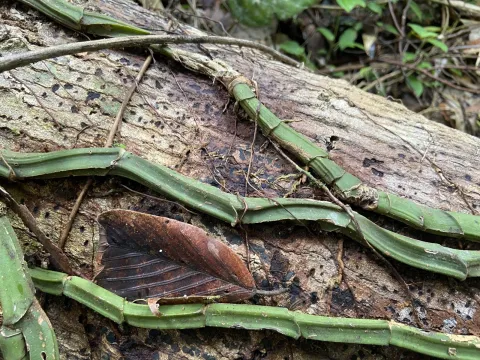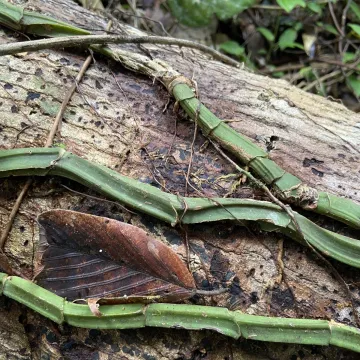
Rhaphidophora maingayi
Rhaphidophora maingayi
Description
Rhaphidophora maingayi is a perennial evergreen climbing plant belonging to the Araceae family. In its natural habitat, this plant functions as a hemiepiphyte, utilizing the trunks of large trees to climb toward the forest canopy. It is highly valued in horticulture for its distinct foliage and architectural growth habit.
The native range of this species is confined to the tropical regions of Southeast Asia, including parts of Malaysia and surrounding territories. Cultivating this plant outside its native range requires strict environmental control to replicate the high humidity and constant temperatures found in tropical rainforests. It is rarely grown in open fields, favoring controlled greenhouse or conservatory environments.
Botanically, the plant is characterized by thick, leathery leaves that may develop lobed or pinnate forms as the vine matures. Its root system is divided into functional ground roots and specialized aerial roots. These aerial roots are essential for the plant's ability to anchor itself to supports and absorb moisture and nutrients directly from the humid air.
For successful cultivation, Rhaphidophora maingayi requires a porous, well-draining substrate rich in organic matter. Overwatering must be avoided to prevent root rot, which is the most common physiological disorder in this genus. The plant thrives in bright, indirect light; direct sunlight can scorch the foliage and cause permanent damage to the leaf structure.
- Ideal temperature range: 22–28°C (72–82°F)
- Soil pH: slightly acidic, between 5.5 and 6.5
- Watering: consistent, avoiding waterlogged soil
- Support: vertical stakes or moss poles are necessary
The primary horticultural application of Rhaphidophora maingayi is in the ornamental plant industry for high-end interior landscaping. Common pests include scale insects and spider mites, which thrive in dry environments. Maintaining high ambient humidity is not only beneficial for the plant's growth but also serves as a critical cultural practice to deter these potential infestations.
Photo gallery