Rhynchosia phaseoloides
Rhynchosia phaseoloides
Description
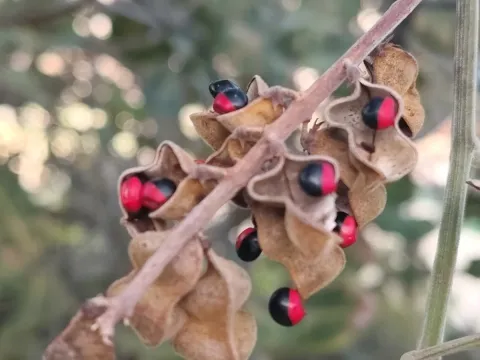
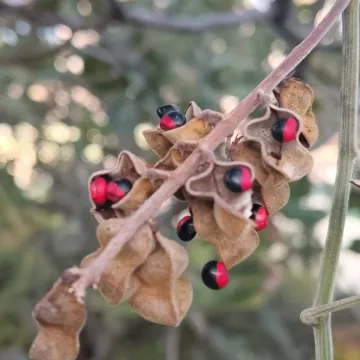
Rhynchosia phaseoloides is a perennial climbing legume belonging to the Fabaceae family. It is widely recognized for its distinctive bright red seeds with a black spot, which possess a hard, durable seed coat. While not a primary food crop, it serves as an important subject for biological research and environmental restoration projects within its native habitat.
Native to the tropical regions of Central and South America, this plant is found in diverse habitats, ranging from forest clearings to shrubby tropical landscapes. It thrives in climates with high annual precipitation and consistent warmth, where it can quickly establish itself by climbing surrounding vegetation to access necessary sunlight.
Botanically, the plant features trifoliate leaves and typical papilionaceous flowers. A critical feature of its biology is the ability to form a symbiotic relationship with rhizobia bacteria, which effectively fix atmospheric nitrogen into the soil. This trait makes it a potential candidate for soil enrichment programs in tropical agricultural settings.
Cultivation of Rhynchosia phaseoloides requires well-drained soil with a slightly acidic to neutral pH. It is sensitive to waterlogging, which can trigger fungal diseases of the root system. Agronomic practice involves providing adequate structural support (trellises or companion trees) and managing weeds during the establishment phase, as the plant grows relatively slowly at the start.
Economic uses of the plant are primarily focused on the ornamental value of its seeds, which are often used in local jewelry and crafts. From an agricultural perspective, the species is being evaluated for its potential in land reclamation, as its nitrogen-fixing capabilities help to restore soil fertility in exhausted tropical agricultural zones.
Common pests include seed beetles (bruchids) that target the maturing pods, necessitating careful post-harvest storage techniques. Pathogens, particularly fungal infections like powdery mildew, may affect the foliage during prolonged humid periods, requiring integrated pest management strategies to ensure healthy growth.
Photo gallery