Rhynchosia reticulata
Rhynchosia reticulata
Description
Rhynchosia reticulata is a perennial leguminous plant belonging to the family Fabaceae. This species is recognized for its climbing or trailing habit and its significant biological ability to contribute to soil fertility, making it a subject of interest in tropical agronomy and agroforestry systems.
Native to the tropical and subtropical regions of the Americas, this plant is widespread across Central and South America and the Caribbean. Its natural habitat includes woodland margins, open scrublands, and disturbed sites, which demonstrates its hardiness and adaptability to various environmental conditions within the tropical belt.
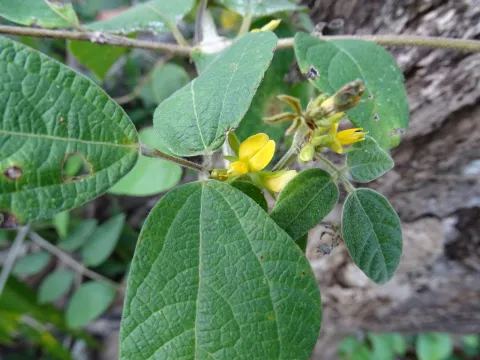
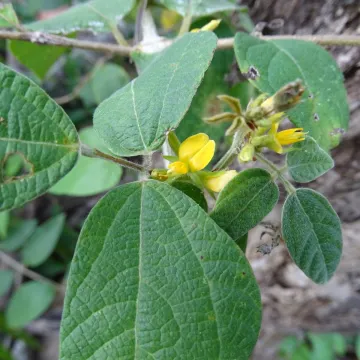
Botanically, the plant is characterized by its pubescent, net-veined leaves that give it its specific common name. The flowers are typically yellow, arranged in racemes, and follow the standard butterfly-shaped structure characteristic of the legume family. The pods produced by the plant contain several seeds, contributing to its reproductive success.
In terms of agricultural requirements, the species thrives in well-drained soils ranging from sandy loams to heavier clays, provided there is no waterlogging. It requires a warm climate with consistent access to sunlight to maximize its vegetative growth. During the initial growth stages, adequate weed control is essential to prevent competition, although mature plants are generally quite vigorous.
Main agricultural and economic uses include:
- Serving as a cover crop to protect the soil from erosion.
- Acting as a green manure to increase nitrogen levels in the soil.
- Potential use as a forage resource for livestock in specific climatic zones.
- Contributing to habitat restoration and promoting biodiversity in agricultural landscapes.
Like many other legumes, this plant may be susceptible to typical agricultural pests, including aphids and various lepidopteran larvae. Disease management involves maintaining optimal spacing to encourage airflow, which helps prevent fungal leaf spots and root rots caused by excessive humidity or poor soil drainage.
Photo gallery