Rhytidiadelphus subpinnatus
Rhytidiadelphus subpinnatus
Description
Rhytidiadelphus subpinnatus is a species of pleurocarpous moss belonging to the Hylocomiaceae family. While not a commercial agricultural crop, it is an essential component of forest ecosystems, playing a critical role in moisture regulation and soil organic matter accumulation within woodland habitats.
The species has a broad distribution range across the temperate and boreal regions of the Northern Hemisphere. It thrives primarily in damp, shaded environments such as coniferous and mixed forests, often carpeted over forest floors, decaying logs, and rocky substrates enriched with humus.
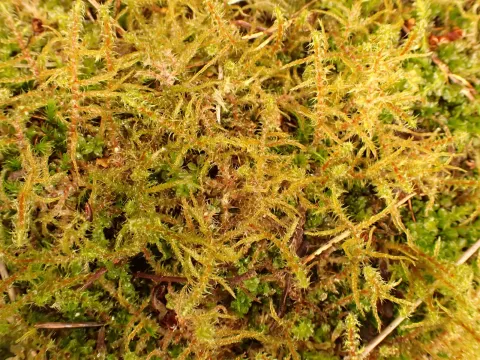
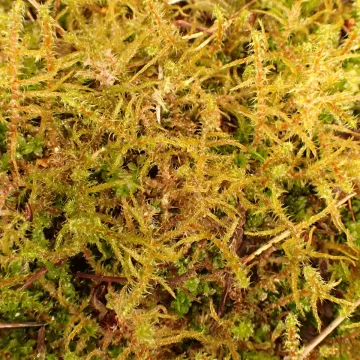
Botanically, it is recognized by its robust, pinnately branched stems that form dense, often vibrant green mats. The leaves are typically spreading or squarrose, which contributes to the species' distinct textural appearance and its effectiveness in capturing atmospheric moisture through condensation.
This moss requires a high humidity level and consistent temperature range to survive. It prefers acidic soil conditions rich in decomposing organic debris. As an environmental bio-indicator, the presence of Rhytidiadelphus subpinnatus often suggests a stable and ecologically healthy woodland environment with low levels of chemical pollutants.
Regarding its utility, the moss is primarily valued for its ecological service rather than agricultural output. It acts as a natural sponge, preventing soil erosion and maintaining a microhabitat for various soil microorganisms. Currently, there are no standard industrial cultivation practices, as it remains a wild-growing species adapted to specific undisturbed forest niches.
Photo gallery