Richardia grandiflora
Richardia grandiflora
Description
Richardia grandiflora is a perennial herbaceous plant belonging to the Rubiaceae family. While often categorized under botanical studies, it is primarily recognized in the horticultural industry as a versatile ground cover capable of forming dense, aesthetically pleasing mats in suitable landscapes.
The species is native to tropical and subtropical areas of South America. Its natural habitat typically includes well-lit, open areas with sandy or gravelly soils. Due to its evolutionary background, the plant thrives in warm climates where it can fully utilize sunlight and tolerate moderate water stress.
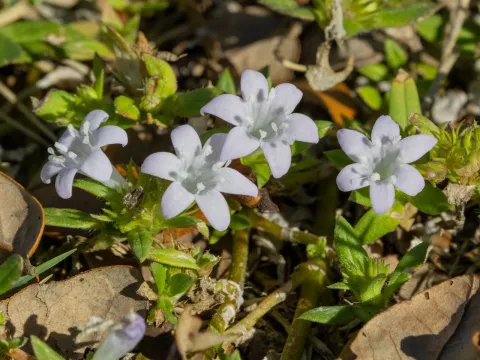
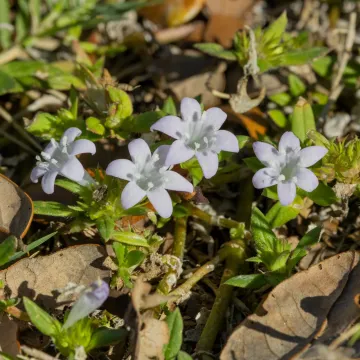
Botanically, Richardia grandiflora is characterized by its trailing growth habit, with stems that spread across the ground surface. The leaves are generally lanceolate, and the flowers are notable for their size compared to other species in the genus. This floral display is one of the primary reasons for its use in ornamental plantings.
Successful cultivation of this species requires specific environmental conditions. It prefers well-drained, porous soils that prevent root rot. It is highly photophilous, meaning it requires significant exposure to sunlight to bloom effectively and maintain a compact form. Soil fertility requirements are relatively low, but drainage is a non-negotiable factor for its health.
In terms of management, the plant is valued for its hardiness once established. It is susceptible to few major pests, although aphids or spider mites may occur in stressed conditions. The primary agronomic concern is moisture management, as consistent waterlogging of the soil will inevitably lead to systemic fungal diseases, reducing the plant's vigor.
- Light requirement: Full sun.
- Soil preference: Sandy, well-draining soil.
- Watering: Moderate, avoid waterlogging.
- Primary use: Ground cover and ornamental landscaping.
Photo gallery