Richardia humistrata
Richardia humistrata
Description
Richardia humistrata is a herbaceous plant belonging to the Rubiaceae family. While often categorized as a botanical entity within diverse agricultural landscapes, understanding its biological cycle is essential for agronomists working in tropical and subtropical regions where this species frequently appears as a ground-cover element.
The species is native to the tropical zones of the Americas. Its resilience and ability to thrive in various habitats have allowed it to naturalize in numerous warm regions globally, where it effectively adapts to disturbed areas, including agricultural fields, pastures, and roadsides.
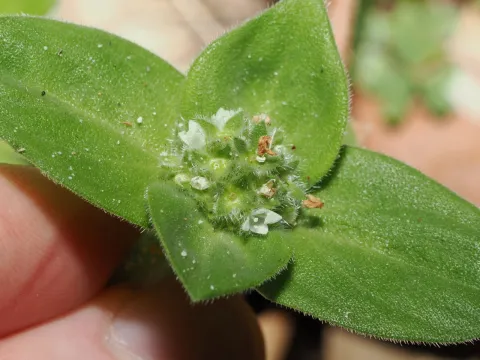
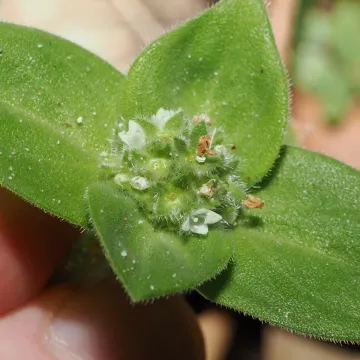
Botanically, Richardia humistrata is characterized by its prostrate growth habit, which allows it to form dense mats close to the ground. The leaves are typically opposite and possess a distinct texture. Small white to pale-colored flowers appear in clusters, contributing to the plant’s reproductive efficiency through high seed production.
The plant demonstrates a clear preference for well-drained, sandy or loamy soils. It is highly photophilous, meaning it requires significant sunlight exposure for optimal growth. In terms of agronomy, its presence often indicates soil conditions with high drainage, and it is usually monitored to prevent it from outcompeting main crops for water and mineral nutrients.
Management strategies focus on integrated pest and weed control. Typical issues involve fungal pathogens that affect the foliage during humid conditions, as well as potential harborages for pests such as nematodes. Control methods include:
- Regular mechanical cultivation to disrupt root systems.
- Strategic use of post-emergence herbicides.
- Crop rotation to reduce the long-term presence of seeds in the soil.
Photo gallery