Rotala mexicana
Rotala mexicana
Description
Rotala mexicana is a delicate herbaceous plant belonging to the Lythraceae family. While it is not a traditional field crop, it serves as a significant botanical specimen in aquatic horticulture, often found growing in submerged or semi-aquatic conditions in its native tropical regions.
The native habitat spans across tropical and subtropical areas of the Americas, Africa, and Asia. It typically thrives in shallow, temporary pools and wetlands, often occurring in agricultural zones like rice paddies. This ecological background makes the plant highly adaptable to fluctuating water levels and varying levels of humidity.
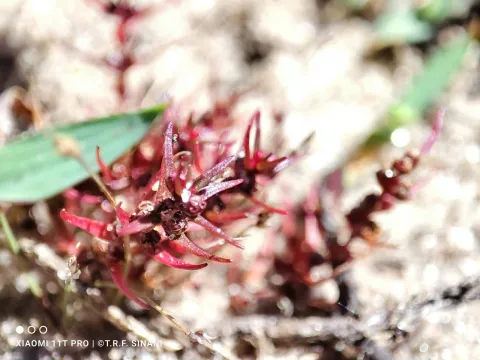
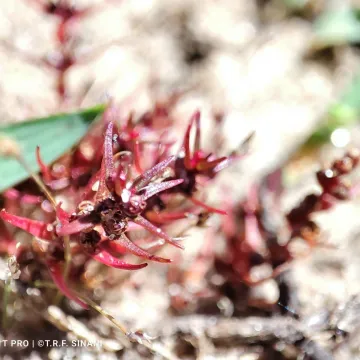
Botanically, Rotala mexicana is characterized by its slender, creeping or upright stems and whorled leaves. Under optimal growing conditions, the plant displays a vibrant coloration ranging from pale green to deep pink or red. This color variability is a physiological response to light intensity and iron availability in the water column.
Cultivation requirements for this species are demanding compared to other aquarium plants. It necessitates soft, acidic water, high-intensity artificial lighting, and consistent injection of carbon dioxide. Without proper nutrient supply, particularly phosphorus and iron, the plant quickly loses its vigor and may suffer from stunted growth.
In terms of economic and practical use, Rotala mexicana is highly valued in the aquascaping industry. It is a preferred species for creating detailed foreground or mid-ground layouts in high-tech planted aquariums. Due to its sensitivity to water chemistry, it is primarily managed by professional aquarists and specialized nursery farms.
- Temperature range: 22–28°C
- Target pH: 5.5–7.0
- Lighting requirements: High intensity
- Substrate: Fine-grained, nutrient-rich soil
Photo gallery