Rothmannia fischeri
Rothmannia fischeri
Description
Rothmannia fischeri is a distinguished member of the Rubiaceae family, widely recognized for its high ornamental value in tropical and subtropical landscaping. Known as a forest-dwelling tree, it is prized for its spectacular, highly fragrant flowers that provide a unique aesthetic and sensory experience in garden environments.
The species originates from the tropical forests of East and Central Africa. It thrives in diverse habitats ranging from dense woodland to open forest edges. In its natural environment, the plant acts as a key element of the middle forest layer, adapted to high humidity and stable temperatures throughout the year.
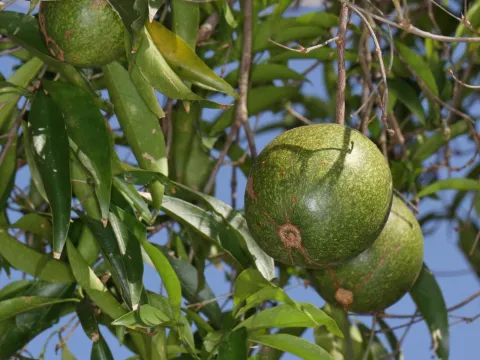
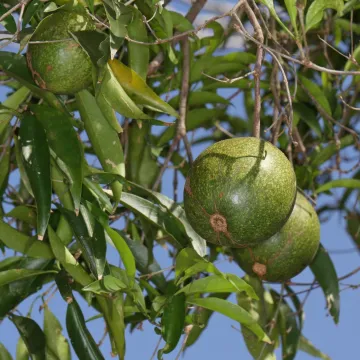
Botanically, Rothmannia fischeri is characterized by its glossy, evergreen foliage and bell-shaped white or pale-colored flowers. The fruit is a hard-shelled berry that encapsulates the seeds. The plant's growth pattern is relatively slow, allowing for easier maintenance and shaping as a small tree or large shrub in professional landscaping projects.
Successful cultivation requires rich, well-draining soil with an acidic to neutral pH. It is essential to replicate tropical conditions by providing shelter from strong winds and frost. In domestic settings, it should be placed in locations that receive dappled sunlight, ensuring the plant is not scorched by extreme direct midday rays.
- Maintaining high humidity levels during the dry season.
- Regular application of compost or balanced liquid fertilizers.
- Consistent irrigation to prevent soil from drying out completely.
- Pruning to maintain a desirable shape and size.
While relatively robust, the plant can be susceptible to common pests such as spider mites and aphids, particularly in greenhouses. Root rot is a common issue if drainage is inadequate. Despite these challenges, its ability to thrive in warm climates makes it an excellent choice for ornamental gardening enthusiasts looking to integrate African flora into their collection.
Photo gallery