September bells
Rothmannia globosa
Description
Rothmannia globosa, commonly known as the September bells, is an elegant evergreen tree or large shrub belonging to the Rubiaceae family. It is highly esteemed in horticulture for its dense, symmetrical canopy and spectacular floral display. In the landscape, it serves as a focal point or a fragrant addition to mixed shrub borders.
The species is native to the coastal forests and bushveld regions of Southern Africa. It has a broad distribution range, thriving in areas with high rainfall and warm temperatures. Because of its structural beauty and tolerance to varying environmental conditions, it has become a popular choice for gardens and urban landscaping projects across similar climatic zones.
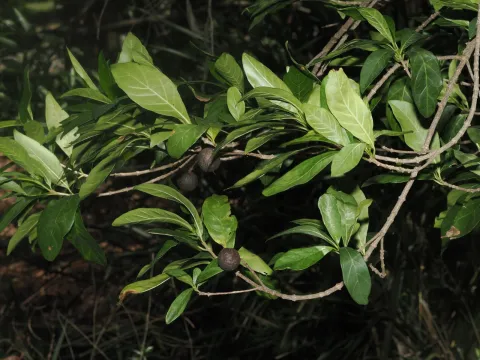
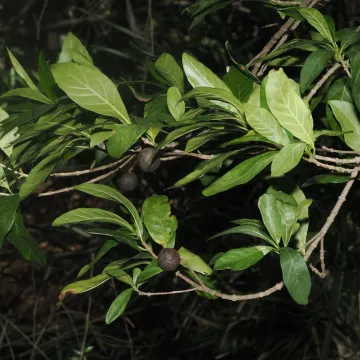
Botanically, the plant is characterized by its glossy, dark green leaves and trumpet-shaped white flowers, often marked with reddish-brown spots. The flowers are notable for their intense, gardenia-like scent, which is particularly strong in the evening. Following pollination, the tree produces rounded, woody fruits that persist on the branches for several months.
Successful cultivation of Rothmannia globosa requires well-drained, nutrient-rich soil, preferably with an organic mulch layer. It performs best in full sun but can tolerate light shade during the hottest parts of the day. Consistent moisture is crucial for young trees, though established plants show moderate drought tolerance, provided they are shielded from extreme temperature drops.
Regarding general maintenance, regular pruning helps in shaping the canopy and encouraging bushier growth. While the tree is generally hardy, gardeners should monitor for common pests like scale insects or aphids. Regular scouting and maintaining high plant vigor through proper fertilization are effective strategies to prevent significant pest outbreaks and fungal diseases.
Photo gallery