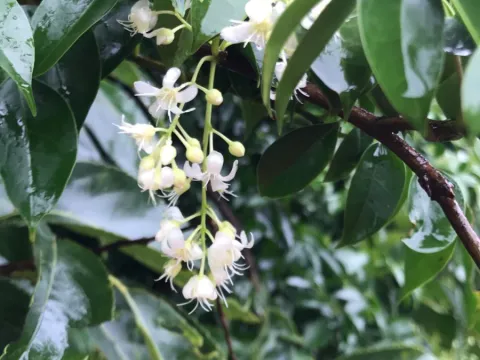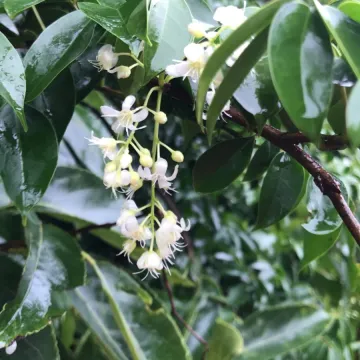
Rourea minor
Rourea minor
Description
Rourea minor is a perennial woody climber belonging to the Connaraceae family. Naturally occurring in tropical regions across Asia, including India and the Philippines, this plant has gained attention for its versatile pharmacological properties and its role in local ecosystems as a robust climber.
The botanical structure of Rourea minor consists of pinnate leaves and small, fragrant inflorescences that typically appear in terminal or axillary racemes. Its fruit is a pod-like follicle, which is a characteristic feature of this genus, containing a single seed that allows for proliferation in the wild.
Regarding climate and soil, this species thrives in humid tropical environments with consistent temperatures. It prefers well-drained, nutrient-rich soils that retain moisture without becoming waterlogged. While it is mostly found in wild habitats, cultivation efforts require mimicking these forest-edge conditions, specifically providing partial shade and protection from harsh winds.
The economic and practical utility of Rourea minor is largely medicinal. Traditional practitioners utilize various parts of the plant, including the roots, leaves, and bark, to treat a wide array of ailments, ranging from inflammatory disorders to respiratory issues. The plant is prized for its bioactive compounds, which are often extracted for pharmaceutical research.
Agricultural management and care for the plant include the following practices:
- Maintaining high humidity levels throughout the growing season.
- Providing a sturdy trellis system or adjacent trees for climbing support.
- Applying balanced organic fertilization to maintain foliage health.
- Ensuring excellent drainage to prevent the development of root rot.
Pests such as scale insects and spider mites frequently affect plants kept in controlled environments. Disease management focuses on mitigating fungal infections during the monsoon or high-humidity periods. Proper air circulation and sanitation of the growth area remain the primary defense mechanisms against common pathogens affecting this species.
Photo gallery