Rugoloa pilosa
Rugoloa pilosa
Description
Rugoloa pilosa is a perennial grass species belonging to the Poaceae family. Formerly categorized within the Setaria genus, this plant has been reclassified to the distinct genus Rugoloa. It is primarily recognized as a valuable agricultural crop for livestock feed, appreciated for its resilience and nutritional value in subtropical and tropical farming systems.
The plant originates from the Americas, where it thrives in diverse ecosystems ranging from savannas to open woodlands. Its natural range has made it a candidate for introduction into various agricultural regions worldwide, especially those that share a similar climate profile. Its environmental adaptability allows it to persist in soils where other more demanding forage grasses might struggle.
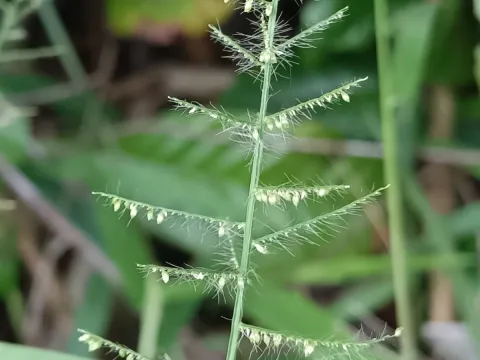
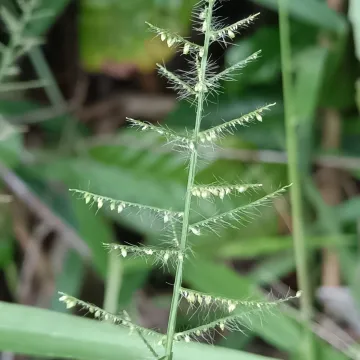
Botanically, Rugoloa pilosa is distinguished by its hirsute (hairy) leaves and culms, a trait that serves as a protective adaptation against dry conditions. The root system is fibrous and dense, effectively anchoring the plant and facilitating nutrient uptake. Its inflorescence is a dense, spike-like panicle, typically characterized by bristles that protect the developing grains.
Agricultural requirements for Rugoloa pilosa emphasize the need for well-draining soils with adequate sun exposure. It is relatively drought-tolerant once established but performs optimally when rainfall is well-distributed throughout the growing season. Management practices involve periodic mowing or rotational grazing, which helps maintain the nutritional quality of the forage and stimulates regrowth.
The primary economic use of this crop is forage production for cattle and other ruminants. It is prized for its palatability and sustainable biomass yield under consistent management. Common challenges include susceptibility to fungal pathogens, such as leaf rusts, and infestations by sucking insects. Integrated pest management (IPM) is recommended to protect the yield quality and ensure the longevity of the pasture stands.
Photo gallery