Rugoloa polygonata
Rugoloa polygonata
Description
Rugoloa polygonata is a perennial grass species belonging to the Poaceae family. Formerly categorized within the Setaria genus, it has been reclassified into the distinct Rugoloa genus based on modern botanical studies. This crop is increasingly recognized for its biomass production potential and ecological resilience in specific agricultural systems located in warmer climatic zones.
The origin of Rugoloa polygonata is traced back to the tropical and subtropical regions of the Americas. Its natural range encompasses vast areas where high temperatures and seasonal rainfall dominate. Consequently, agricultural cultivation is primarily focused in these regions, where the plant is utilized to enhance pasture quality and provide consistent forage during the peak growth season.
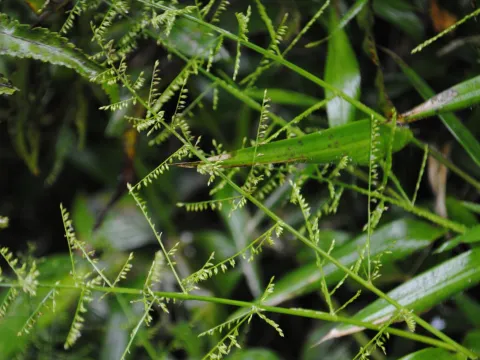
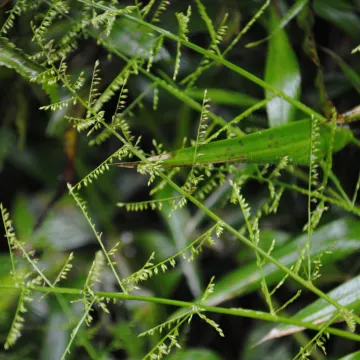
Botanically, the species is distinguished by its robust growth habit, featuring vigorous tillering and sturdy culms. The leaf blades are generally lanceolate with a distinct texture, contributing to the plant's overall palatability for livestock. The inflorescence, a well-developed panicle, produces numerous seeds that facilitate effective natural regeneration, provided the field management allows for seed head maturation.
Agrotechnical requirements prioritize well-drained, nutrient-rich soils to maximize yield. While the plant shows moderate drought tolerance, optimal performance is achieved under conditions of adequate moisture and high solar radiation. Fertilizer applications, particularly nitrogen-based, significantly boost biomass production, making the crop suitable for intensive pasture management programs.
The agricultural use of this species is highly diversified:
- Livestock grazing, due to the plant's ability to recover quickly after defoliation.
- Hay production, when harvested at the optimal nutritional maturity stage.
- Soil conservation, as the dense root system effectively binds topsoil and reduces erosion risks.
Pest and disease management is essential to maintain high productivity. Common threats include fungal pathogens such as rusts and leaf spots, which thrive in humid conditions, as well as various stem-boring insects. Sustainable management strategies, such as crop rotation and appropriate stocking rates in grazing areas, are recommended to minimize the reliance on chemical interventions.
Photo gallery