Ruppia drepanensis
Ruppia drepanensis
Description
Ruppia drepanensis is a perennial submerged aquatic plant belonging to the family Ruppiaceae. Known for its ability to thrive in saline environments, this species plays a vital role as a primary producer in brackish ecosystems, such as lagoons and coastal wetlands.
The plant originates primarily from the Mediterranean region, where it is well-adapted to fluctuating saline conditions. Its range is confined to shallow waters where it can tolerate both hypersaline events and dilution from freshwater runoff, showing a remarkable physiological plasticity.
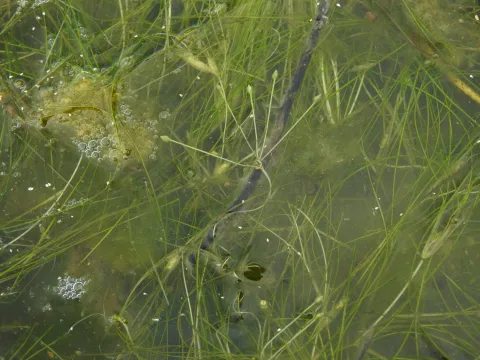
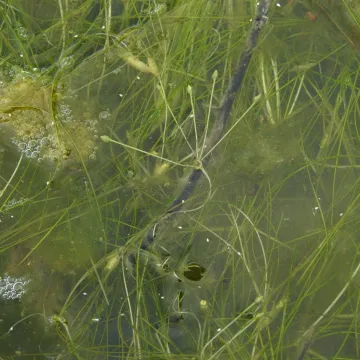
Botanically, Ruppia drepanensis is characterized by its thread-like leaves and thin, flexible stems. It is rooted in sandy or silty substrates and possesses a unique mechanism for pollination, often involving the water surface. The root system is adapted to hypoxic soil conditions common in wetland environments.
Cultivation or management of this species requires a deep understanding of its habitat preferences. It thrives in well-lit, shallow waters where sediment composition provides necessary minerals. Standard agricultural practices for this plant focus on water quality monitoring, ensuring low turbidity and appropriate nutrient levels to prevent competitive algae blooms.
Economically and ecologically, this species is essential for supporting biodiversity in estuaries. It provides critical habitat for fish nurseries and food sources for waterfowl. Threats include coastal development, eutrophication, and invasive species, which can lead to the decline of local Ruppia populations.
- Exceptional tolerance to high salinity levels
- Critical role in estuarine biodiversity support
- Effective colonization of sandy and silty substrates
- Sensitivity to changes in water column transparency
Photo gallery