Rytidosperma penicillatum
Rytidosperma penicillatum
Description
Rytidosperma penicillatum is a perennial grass species belonging to the Poaceae family. Known for its resilience, this species is increasingly recognized in sustainable agriculture and land management for its ability to persist in harsh environments where traditional forage crops might fail.
Originating primarily from the Australian continent, this species has evolved in ecosystems subject to significant climatic variability. Its natural range encompasses various types of grasslands and open woodlands, where it demonstrates a high capacity to withstand prolonged dry spells and seasonal temperature fluctuations.
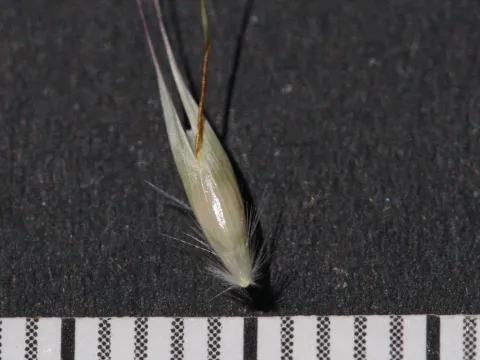
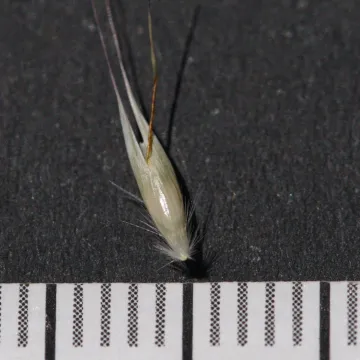
Botanically, it is characterized by the formation of dense, tufted clumps with narrow, often involute leaves. The inflorescences are distinct panicles, often featuring fine hairs, which are a key identification feature. The root system is robust, allowing the plant to explore deeper soil layers for moisture, contributing to its overall hardiness.
Regarding agrotechnical requirements, it favors well-drained soils and shows a preference for areas with moderate sunlight. Successful establishment requires careful management during the seedling phase, as the plant grows relatively slowly. Once established, it is highly self-sustaining and requires minimal intervention compared to more intensive forage crops.
The primary use of Rytidosperma penicillatum lies in pasture improvement and ecological restoration. It serves as a valuable forage resource during off-peak seasons, providing reliable greenery when other species are dormant. It is generally resistant to common grass pests, although localized outbreaks of rust diseases may occur under conditions of poor ventilation and excessive moisture.
- Exceptional drought tolerance
- Soil stabilization capabilities
- Long-term persistence in pastures
- Low maintenance requirements
Photo gallery