Sacciolepis africana
Sacciolepis africana
Description
Sacciolepis africana is a robust perennial grass species belonging to the Poaceae family. Primarily recognized as a forage crop, it plays a vital role in tropical agricultural systems, particularly in regions where environmental conditions prohibit the cultivation of traditional cereal or pasture grasses due to excessive moisture.
The native range of this species covers vast areas of the African continent. It is naturally adapted to floodplains, wetlands, and areas with fluctuating water tables. Its historical distribution has made it an essential component of local pasture ecosystems, where it provides reliable fodder during the peak growing seasons.
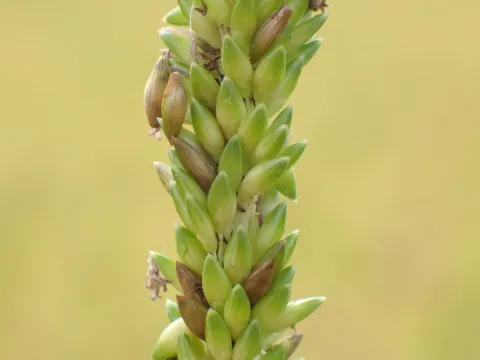
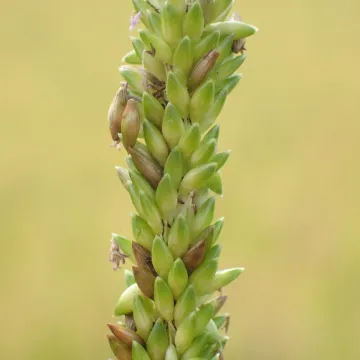
Botanically, Sacciolepis africana features vigorous vegetative growth with dense, cylindrical panicles that differentiate it from other common grass species. The plant's ability to maintain high nutritional content in its foliage makes it an attractive choice for livestock grazing. It possesses a resilient root structure that aids in soil stabilization in frequently flooded areas.
Cultivation requirements focus on maintaining sufficient moisture levels. The plant thrives in heavy, poorly drained soils where it faces little competition from less hardy grasses. Good agricultural practice involves rotational grazing, which prevents the grass from becoming overly lignified and maintains the plant in a high-protein vegetative state throughout the season.
Regarding its utility, the grass is utilized mainly for grazing, though it can also be harvested for silage. Producers must be vigilant against fungal pathogens that flourish in humid conditions and monitor for larvae infestations that may damage leaf blades. Proper management strategies, including site selection and stocking rate control, ensure maximum yield and stand longevity.
Photo gallery