Sacciolepis polymorpha
Sacciolepis polymorpha
Description
Sacciolepis polymorpha is a perennial grass species belonging to the Poaceae family. This crop is recognized for its significant ecological adaptability, particularly in wetland environments where standard cereal crops fail to thrive. As an agricultural resource, it provides a unique solution for managing marginal lands and improving the yield of forage in flood-prone regions.
The origin of this species is traced to tropical and subtropical climates where it has evolved to withstand fluctuating moisture levels. Its natural distribution spans across parts of Asia and Africa. In agricultural practice, it is utilized to stabilize soil and provide reliable grazing material in ecosystems that experience seasonal inundation, making it a valuable asset for local livestock systems.
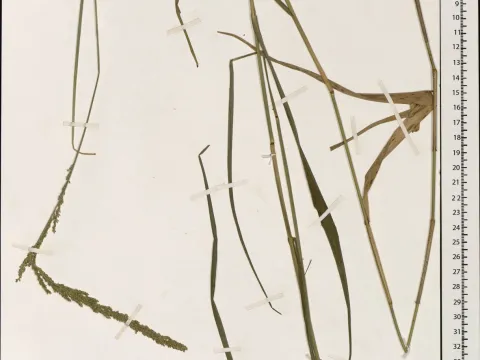
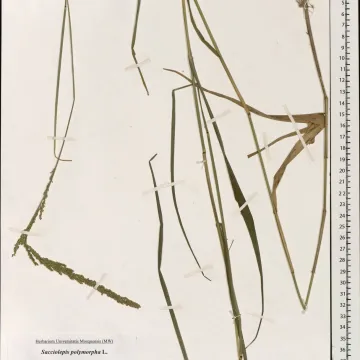
Botanically, Sacciolepis polymorpha is characterized by a robust root system and upright stems that facilitate the production of substantial biomass. The leaves are narrow and linear, providing high-quality forage during the vegetative stage. The inflorescence is a dense, spike-like panicle, which is typical for the genus and ensures effective reproduction in diverse habitats.
Agronomic requirements center on soil moisture management. Although the plant is hygrophilous, it requires well-drained soil during its active growth phase to prevent hypoxia in the root zone. Nutrient management should focus on balanced NPK fertilization to support high productivity, especially when harvested multiple times during the growing season to maximize silage or hay production.
The primary use of this crop is in the livestock industry as a forage source. Like other grasses, it is susceptible to typical pathogens and pests, including various rust fungi and cereal aphids. Integrated pest management strategies are essential, involving crop rotation, monitoring of leaf health, and the application of selective treatments to ensure the longevity and productivity of the forage stands.
Photo gallery