
Salomonia cantoniensis
Salomonia cantoniensis
Description
Salomonia cantoniensis is an annual herbaceous plant belonging to the Polygalaceae family. This species is recognized for its preference for humid tropical environments and is often encountered in agricultural landscapes such as paddy fields and marshy wetlands within its native distribution range.
Originating from Southeast Asia and parts of China, the species is adapted to thrive in areas with high annual rainfall. Its natural habitat includes damp meadows and the peripheries of freshwater bodies, where the soil remains consistently moist throughout the growing season, a critical factor for the plant's physiological development.
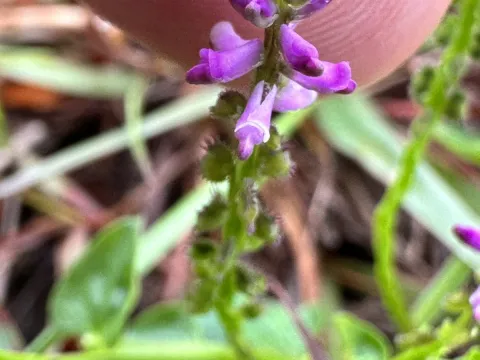
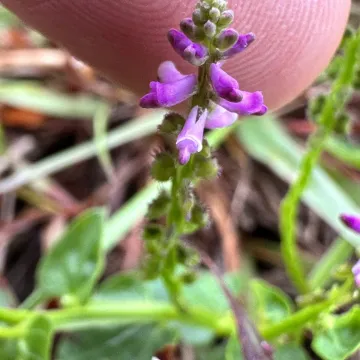
Botanically, Salomonia cantoniensis typically reaches a height of 20–30 cm. It features delicate, alternate leaves and small, terminal racemes of flowers, which are usually pink to purple in color. Its root system is shallow and fibrous, allowing it to efficiently absorb nutrients from waterlogged substrates where oxygen levels might be lower than in standard garden soils.
Cultivation requirements for this species are specific and demanding. It requires acidic, nutrient-rich soil with a high water-holding capacity. In an agricultural setting, it is essential to manage irrigation carefully to prevent both drought stress and root rot. Shading may be necessary in regions with intense solar radiation, as the plant is sensitive to excessive heat and direct sunlight.
The economic and agricultural utility of the plant is primarily centered on its pharmacological potential. It contains bioactive compounds that have been studied for their anti-inflammatory properties. While not a major commercial crop, it represents a valuable genetic resource for herbal medicine, and research continues into optimizing its propagation for sustainable harvest in small-scale medicinal plant production units.
Photo gallery