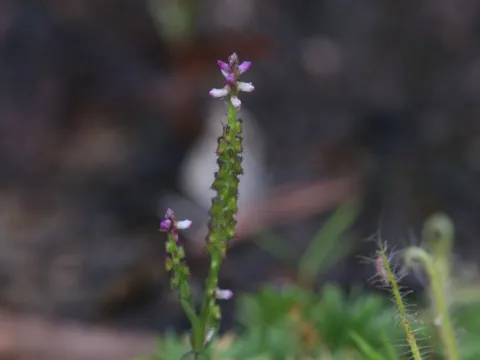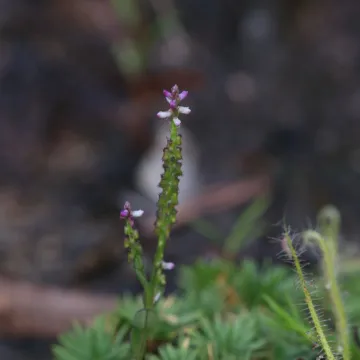
Salomonia ciliata
Salomonia ciliata
Description
Salomonia ciliata is an annual herbaceous plant belonging to the Polygalaceae family. It is typically recognized for its small, delicate stature and its preference for damp, tropical habitats, functioning primarily as a wild plant species rather than a large-scale commercial crop.
The plant originates from tropical regions across South and Southeast Asia, including parts of Indonesia and the Philippines. Its natural habitat includes wetlands, margins of rice paddies, and moist forest floors, where it thrives in environments that provide consistent moisture and filtered sunlight throughout the growing season.
From a botanical standpoint, Salomonia ciliata features simple, alternate leaves and small, terminal spike-like racemes. The flowers are typically zygomorphic, characteristic of its family, and come in subtle shades of pink or violet. Its root system is generally fibrous and shallow, necessitating soils that remain consistently hydrated but not waterlogged.
Successful growth requires a stable, warm climate and high humidity levels. In terms of agronomy, the species does not tolerate drought or excessive soil salinity. It performs best in nutrient-rich, acidic to neutral soil types. Maintenance involves minimal disturbance to the root zone and careful management of competing flora to ensure the plant receives sufficient light without sustaining heat stress.
While the economic usage of this plant is relatively specialized, it is often documented in ethnobotanical studies regarding local traditional medicine. Common health issues for the plant include susceptibility to fungal pathogens caused by high humidity and stagnation, as well as potential infestation by common soil-dwelling pests that thrive in tropical garden environments.
Photo gallery