Common soapwort
Saponaria officinalis L.
Description
Common soapwort (Saponaria officinalis L.) is a perennial herbaceous plant belonging to the Caryophyllaceae family. It is widely recognized in agriculture and industry as a natural source of saponins, complex compounds that create a lather when mixed with water, which has historical and modern utility.
The native range of this plant includes Europe, Asia, and North America. It is an adaptable species that thrives in temperate climates. For successful cultivation, it prefers loose, well-drained loamy soils with adequate organic matter. While it tolerates various soil types, maintaining a neutral to slightly alkaline pH is optimal for maximizing root yield and secondary metabolite accumulation.
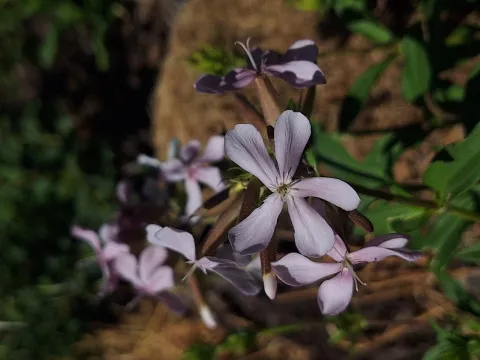
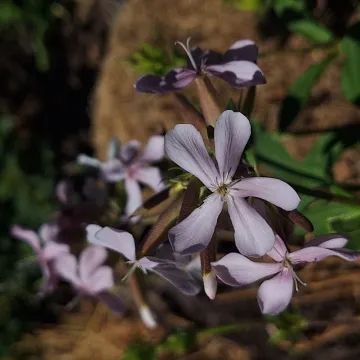
Botanically, the plant is characterized by a creeping, branched rhizome system that spreads efficiently. The stems are upright, reaching heights of 60 to 90 cm. The leaves are ovate-lanceolate and arranged in opposite pairs. The flowers, which bloom from mid-to-late summer, form clusters at the top of the stems and are known for their distinct sweet fragrance.
Agrotechnical management requires attention to its invasive potential due to the rhizomatous growth habit. Propagation is typically achieved through division or seed sowing in early spring. The plant is drought-tolerant once established but requires consistent moisture during the early vegetative stage. Weed control is essential for young plantations to ensure the crop has sufficient space and light to develop.
The primary agricultural and industrial utility of the plant lies in its root harvest. The roots contain high levels of triterpenoid saponins, used in the production of natural detergents, shampoos, and high-end cosmetic products. Medicinally, the plant has a history of use as an expectorant. Furthermore, it is a popular choice for sustainable landscaping due to its resilience and decorative appeal.
- Root rot caused by poor soil drainage
- Leaf spot pathogens
- Aphids and leaf miners
Photo gallery