
Sarcococca confusa
Sarcococca confusa
Description
Sarcococca confusa, commonly known as sweet box, is a species of evergreen flowering shrub belonging to the Buxaceae family. It is highly valued in horticulture for its dense, glossy dark green foliage and its clusters of highly fragrant, small white flowers that emerge in mid-to-late winter, offering a welcome scent during the colder months.
This shrub is native to the temperate regions of East Asia, particularly China. Due to its remarkable ability to thrive in shaded environments, it has become a staple plant in gardens across the Northern Hemisphere. It is particularly well-suited for woodland-style planting schemes where it can provide year-round structure and visual interest.
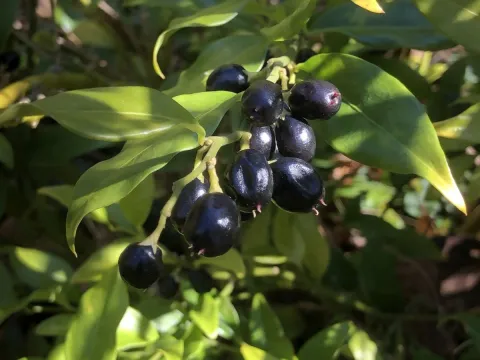
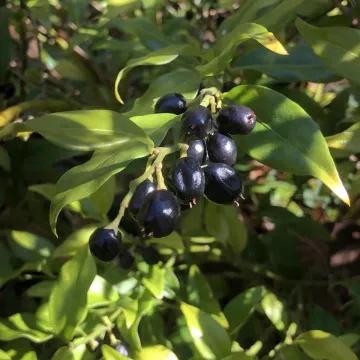
Botanically, Sarcococca confusa is a slow-growing plant that typically reaches a height of 1.5 to 2 meters. It features leathery, ovate leaves that are arranged alternately along the stems. The plant produces round, black, fleshy berries after flowering, which add further seasonal interest to the landscape. Its root system is relatively shallow, necessitating careful maintenance of the surrounding soil.
Cultivation requirements focus on mimicking natural forest floor conditions. The plant prefers humus-rich, fertile, and well-drained soil. It excels in shady or semi-shaded locations protected from cold, desiccating winds. Consistent moisture is essential, especially during the first few years of establishment, though the soil should never become waterlogged to prevent root decay.
Main areas of horticultural utility include:
- Planting as low-maintenance evergreen hedges or privacy screens.
- Use as an understory shrub in deep shade under large trees.
- Cultivation in pots or troughs for winter patio display.
- Planting near entrances or pathways to enjoy the fragrance of winter blossoms.
While generally robust, the plant can occasionally be affected by pests such as scale insects or spider mites, particularly in protected or overly dry conditions. Root rot can occur if soil drainage is insufficient. Good agricultural practice involves annual mulching, periodic feeding with balanced fertilizer, and minimal pruning to maintain the plant's natural, elegant habit.
Photo gallery