Sauvagesia rubiginosa
Sauvagesia rubiginosa
Description
Sauvagesia rubiginosa is a perennial herbaceous plant belonging to the Ochnaceae family. This species is native to tropical regions of South America and is valued primarily in botanical and scientific contexts for its unique morphological structure. While not a conventional agricultural crop, it remains a subject of study for researchers focused on tropical flora and biodiversity conservation.
The plant originates from the humid forests of South America, specifically in regions of Brazil, Venezuela, and Colombia. In its natural habitat, it thrives in the understory of dense forests, adapted to low-light conditions and high humidity. Outside of its endemic range, Sauvagesia rubiginosa requires specialized greenhouse conditions that mimic the stability of a tropical ecosystem.
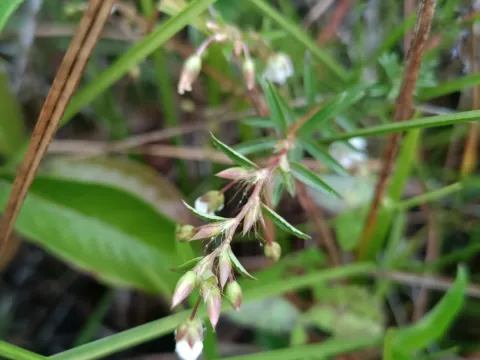
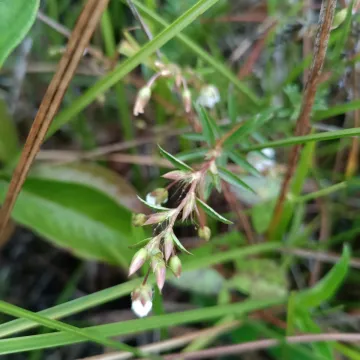
Botanically, the plant is characterized by delicate stems and leaves, with distinctive floral structures typical of the Ochnaceae family. The root system is relatively shallow and thrives in organic-rich, well-draining soils. Proper soil aeration is essential for the healthy development of the plant, as the roots are highly susceptible to hypoxia if the soil becomes compacted or waterlogged.
Agrotechnical requirements include maintaining a temperature range of 20°C to 28°C and high air humidity levels. Consistent moisture in the substrate is necessary, but the grower must ensure efficient drainage to prevent root issues. Fertilization should be moderate, utilizing balanced liquid fertilizers that provide essential micronutrients without causing salt accumulation in the root zone.
The economic and research utility of Sauvagesia rubiginosa covers several specialized areas:
- Phytochemical research to identify potentially active medicinal compounds.
- Botanical conservation efforts to preserve rare tropical species within the Ochnaceae family.
- Exhibition purposes in horticultural displays and research institutions.
Regarding health management, the plant is vulnerable to various fungal pathogens that thrive in high-humidity environments if air circulation is poor. Common pests include spider mites and aphids, which can quickly degrade foliage quality. Integrated pest management, including regular inspection and the use of eco-friendly biological control agents, is recommended to ensure the plant's long-term survival.
Photo gallery