Sauvagesia sprengelii
Sauvagesia sprengelii
Description
Sauvagesia sprengelii is a specialized herbaceous plant belonging to the Ochnaceae family. While not a conventional agricultural commodity, it remains a significant subject of interest for botanical gardens, research facilities, and hobbyists focused on rare tropical flora due to its distinct physiological characteristics.
Native to the tropical regions of South America, specifically Brazil, this plant thrives in specific ecological niches. It is typically found in well-lit, open areas with sandy or nutrient-poor soils. Its natural habitat dictates its specific environmental needs, making it a challenging species to maintain outside of tropical or greenhouse conditions.
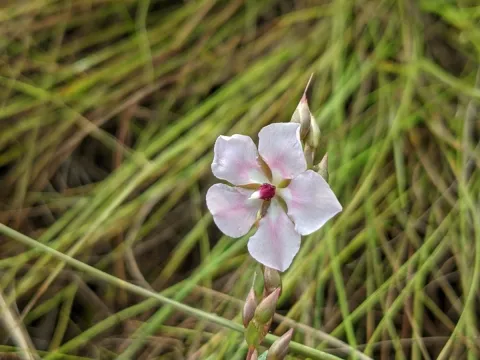
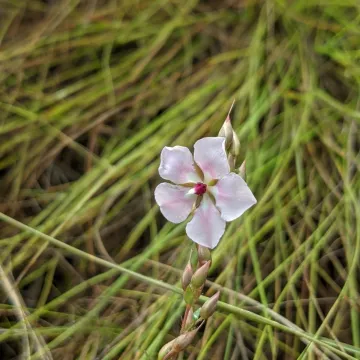
Botanically, Sauvagesia sprengelii exhibits small, compact growth with lanceolate, serrated leaves and delicate flowers. The structure of its blossoms, which feature specialized staminodes, is a defining trait of the species. These flowers are not only visually appealing but also serve as a key morphological feature for identification within the genus.
Successful cultivation requires a climate that mimics its tropical home, characterized by high humidity and steady temperatures between 22°C and 28°C. Soil management is critical: the substrate must be highly porous and acidic, as the plant is sensitive to waterlogging and excessive fertilization, which can cause root rot or stunted development.
Currently, the economic use of Sauvagesia sprengelii is limited to academic research and ornamental horticulture. There is no large-scale commercial farming for this species, but it is often analyzed in the context of biodiversity studies. Potential pests include greenhouse whiteflies and mites, which can be managed through regulated humidity and proper ventilation.
- Requires high ambient humidity levels.
- Needs bright, filtered sunlight for optimal blooming.
- Sensitive to heavy, clay-based soil types.
- Susceptible to fungal issues in poor drainage conditions.
Photo gallery