Scleria lithosperma
Scleria lithosperma
Description
Scleria lithosperma, commonly known as the stone nut rush, is a perennial herb belonging to the Cyperaceae family. In agricultural and botanical studies, it is recognized for its distinctive hard seeds and its resilience in various tropical soil types, making it a subject of interest for both ornamental and ecological restoration projects.
The plant originates from the tropical and subtropical regions of the Old World, stretching across Asia, Africa, and the Pacific islands. Its natural habitat includes open grasslands, forest edges, and disturbed areas, which indicates a high degree of adaptability to different light and soil conditions within its native climate zone.
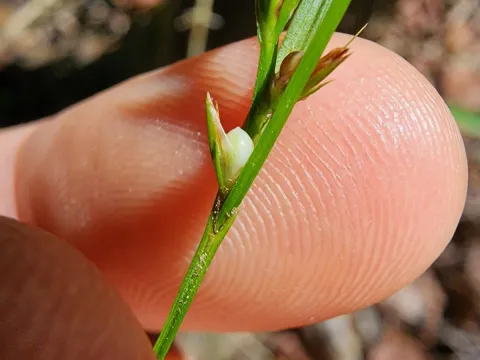
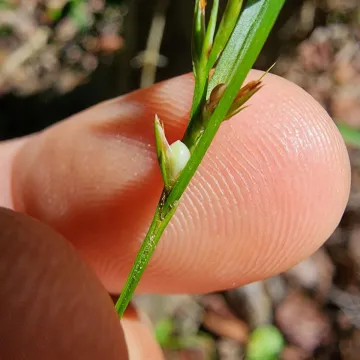
Botanically, Scleria lithosperma is defined by its slender, erect stems and long, grass-like leaves. Its most striking feature is the inflorescence, which produces small, smooth, white or gray nutlets that are exceptionally hard. These seeds provide a significant source of energy and possess a durable structure that protects the embryo from harsh environmental factors.
Successful cultivation requires well-drained, nutrient-poor to moderately fertile soils. It thrives in warm climates with a distinct cycle of wet and dry seasons. Agricultural management focuses on maintaining appropriate soil moisture levels, as constant waterlogging can lead to fungal issues, while extreme drought may stunt the initial developmental stages of the seedlings.
The practical applications of this crop encompass several sectors:
- Landscape design as a structural element in native plant gardens;
- Use in local fiber production for traditional weaving;
- Potential utility as a stabilizing ground cover to prevent soil erosion;
- Incorporation into research for phytoremediation of specific soil pollutants.
Common health issues in Scleria lithosperma include root rot, often caused by stagnant water, and susceptibility to infestation by soil-borne insects. Effective crop protection strategies involve implementing proper drainage systems and ensuring that the plantation density allows for sufficient airflow, thereby reducing the prevalence of fungal pathogens.
Photo gallery