Scleria mackaviensis
Scleria mackaviensis
Description
Scleria mackaviensis is a perennial herb belonging to the Cyperaceae family, commonly known as the Sedge family. This species is native to tropical and subtropical environments where it thrives in humid conditions. As part of a large and diverse genus, it exhibits specialized adaptations that allow it to compete effectively in marshy habitats and dense vegetative communities.
The native range of this plant is primarily focused in tropical regions where seasonal rainfall patterns ensure continuous soil moisture. It is most frequently found in areas with acidic soils and high organic content, which are typical for its ecological niche. The plant's distribution is limited by its intolerance to frost and prolonged periods of drought, which dictate its presence in specific microclimates.
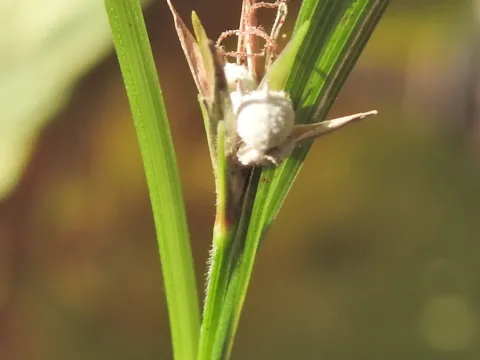
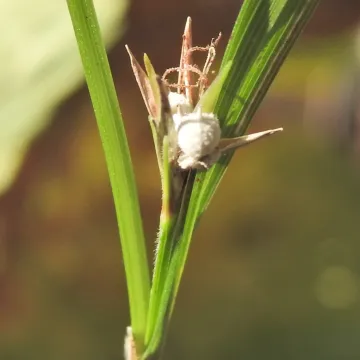
Botanically, Scleria mackaviensis is characterized by its stiff, often triangular stems and linear, grass-like leaves. One of the most notable features of the Scleria genus is the hard, nut-like fruit, which is often calcified. These fruits play a crucial role in the plant's reproductive cycle, allowing for survival in periodically flooded environments where seed dispersal is facilitated by water movement.
Regarding agrotechnical requirements, the plant demands consistent irrigation and protection from direct, desiccating winds. In controlled or natural settings, it performs best in soils with high moisture retention capacity. While it does not require intensive fertilization, the soil acidity should be monitored to ensure optimal nutrient uptake, mimicking the natural acidic conditions of its native habitats.
The economic and utility value of this species is largely ecological. It serves as an essential component in maintaining bank stability in aquatic ecosystems and contributes to the biodiversity of tropical wetlands. While not a commercial crop in the traditional sense, its study provides insights into plant resilience in saturated soil conditions. Common health issues involve root fungal infections if water becomes stagnant for too long, alongside typical tropical pests that feed on Cyperaceae species.
Photo gallery