Scleria scrobiculata
Scleria scrobiculata
Description
Scleria scrobiculata is a perennial herbaceous species classified within the Cyperaceae family, commonly known as the sedge family. As a member of the genus Scleria, this plant is well-adapted to the ecological niches typical of tropical and subtropical regions, demonstrating the resilience characteristic of its family.
The plant is native to the tropical landscapes of Southeast Asia, with a distribution range that includes Malaysia, Indonesia, the Philippines, and various parts of the Indian subcontinent. It thrives in humid environments, frequently colonizing forest fringes, damp lowlands, swampy areas, and riverbanks where moisture is consistent throughout the year.
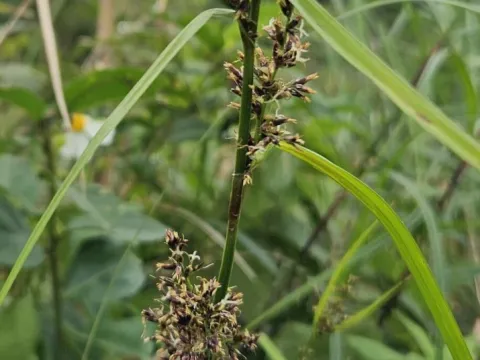
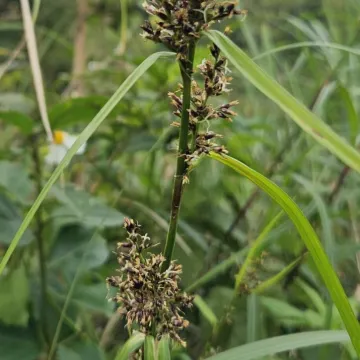
Botanically, Scleria scrobiculata is distinguished by its robust, often tufted habit with rigid, triangular-like stems and linear, rough-edged leaves. Its inflorescence is arranged in a panicle, and the fruits are nutlets that typically feature a scrobiculate—or pitted—surface, which serves as a primary diagnostic feature for identifying the species within its genus.
From an agricultural perspective, the species requires specific conditions for optimal growth: high ambient humidity, sufficient precipitation, and soil that is rich in organic matter. While it is tolerant of partial shade, it performs best in full sunlight provided the root zone remains consistently hydrated. Proper management involves preventing soil compaction and maintaining the biological balance of the planting site.
Economically, the plant is primarily utilized in regional craft industries. The stems and leaves possess a durable, fibrous quality that makes them suitable for weaving traditional items such as mats, baskets, and thatched roofing. Furthermore, in various ethnomedicinal practices across its native range, Scleria scrobiculata is recognized for its potential therapeutic properties, although these uses remain largely rooted in traditional knowledge rather than extensive clinical application.
- Strong fibrous stems suitable for weaving.
- Native to Southeast Asian tropical ecosystems.
- Thrives in high-moisture environments.
- Recognized by pitted nutlet surface.
Photo gallery