Scleria sumatrensis
Scleria sumatrensis
Description
Scleria sumatrensis is a perennial herbaceous plant belonging to the Cyperaceae family, commonly known as the sedge family. In the field of tropical agronomy, it is recognized as a resilient species that thrives in wet, marshy habitats, playing a significant role in its native ecosystems as a primary producer of biomass.
The plant originates from Southeast Asia and is widely distributed throughout the tropical regions of the Malay Archipelago and surrounding areas. Its natural habitat includes riverbanks, swampy depressions, and wet forest fringes, where it often forms dense, monodominant stands that help stabilize soil and maintain the integrity of wetland environments.
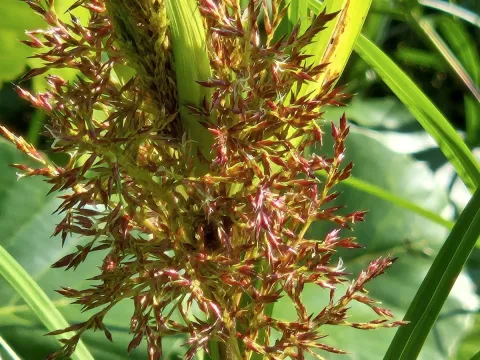
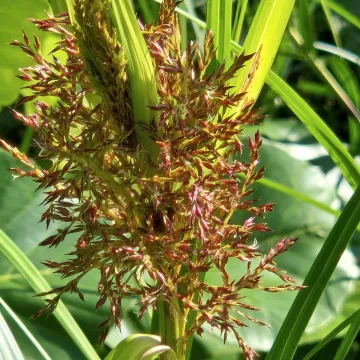
Botanically, Scleria sumatrensis is characterized by its sturdy, often triangular culms and linear leaves, which typically feature sharp, abrasive edges due to high silica content. The inflorescence is a panicle of small, unisexual spikelets. Its robust rhizomatous root system is specifically adapted to anaerobic conditions found in waterlogged or submerged soils.
The climate and soil requirements are strictly tropical, demanding high ambient temperatures and consistent precipitation throughout the year. The species performs best on heavy, nutrient-rich soils that remain saturated. Agronomic management involves maintaining high water levels; lack of water or poor soil drainage can significantly impede growth, as the plant is physiologically dependent on constant moisture availability.
Economic utility is largely localized, focusing on the use of its fibrous stalks for traditional weaving, basketry, and as a raw material for rustic crafts. While major commercial pests and diseases are not widely documented, the plant can be susceptible to fungal infections in stagnant water conditions and various stem-boring insects. Research into its wider agricultural potential continues as a subject of ethnobotanical and ecological interest.
Photo gallery