Prickly scorpion's-tail
Scorpiurus muricatus L.
Description
Prickly scorpion's-tail (Scorpiurus muricatus L.) is an annual herbaceous plant belonging to the Fabaceae family. It is recognized for its unique, coiled pod morphology that resembles the tail of a scorpion, which gives the species its distinctive common and scientific name. In agricultural terms, it serves as a nutritious forage crop often found in Mediterranean-style pasture ecosystems.
The native range of this species encompasses the Mediterranean Basin, extending into parts of North Africa and Western Asia. It thrives in warm-temperate climates and is well-adapted to environments with seasonal drought. The plant has been introduced to other regions with similar Mediterranean conditions, where it is often utilized for soil stabilization and forage production in marginal lands.
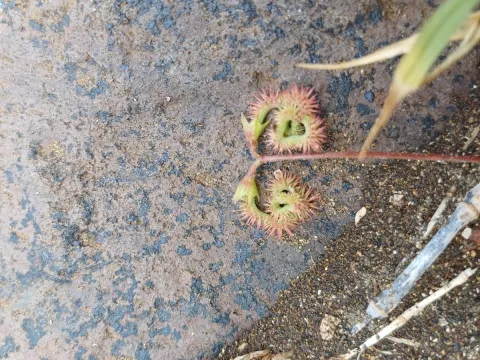
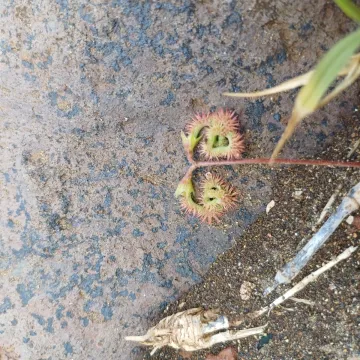
Botanically, it features prostrate or ascending stems and pinnate leaves. The flowers are typically yellow, appearing in axillary clusters. The most striking botanical feature is the spirally coiled pod, which may be smooth or covered in spines (muricate). This specific pod structure acts as a mechanism for both seed protection against insect predation and potential dispersal through animal movement.
Regarding cultivation, this legume is undemanding and highly tolerant of various soil types, ranging from sandy soils to heavier clays, provided there is adequate drainage. It performs best in neutral to slightly alkaline pH environments. Agronomic practices involve shallow sowing in early spring, as the seeds require soil warmth for optimal germination. Proper land preparation is essential to reduce competition from weeds during the seedling stage.
The primary economic use of this plant is as a high-protein component for livestock grazing, particularly for sheep and goats. It is valued for its hardiness and ability to contribute nitrogen to the soil via symbiotic rhizobia bacteria. Potential issues for farmers include susceptibility to root rot in waterlogged conditions and infestations by aphids or weevils, which necessitates integrated pest management strategies for successful crop maintenance.
Photo gallery