Scorpiurus vermiculatus
Scorpiurus vermiculatus L.
Description
Scorpiurus vermiculatus (L.) is an annual herbaceous legume belonging to the Fabaceae family. Recognized for its resilience and nutritional value, this plant serves as a vital forage crop, particularly in arid and semi-arid regions where conventional forage options may struggle to survive or maintain high protein content.
Originating from the Mediterranean basin and North Africa, this species is naturally adapted to climates with irregular rainfall patterns. It flourishes in areas characterized by mild winters and hot, dry summers. Its geographic spread demonstrates a high tolerance to the environmental stresses typical of Mediterranean agricultural landscapes.
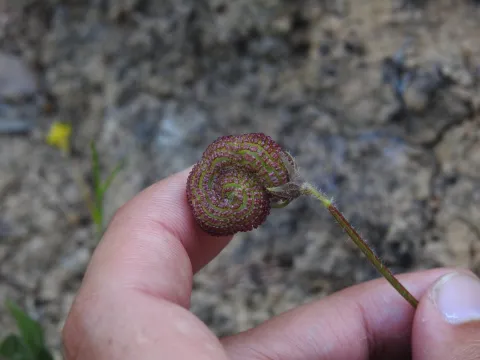
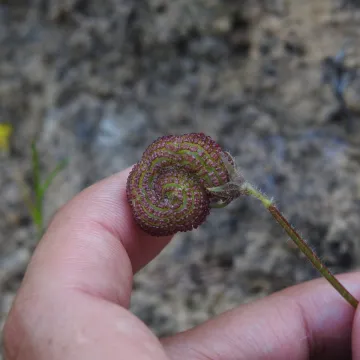
The botanical name is derived from the appearance of its coiled, worm-like pods, which are a diagnostic feature of the genus. The plant features a sprawling growth habit and trifoliate leaves, supporting robust biomass production. Its deep-reaching root system plays a crucial role in nutrient uptake and soil structure improvement, making it a sustainable choice for rotational cropping.
Successful cultivation requires well-drained soil, preferably with a neutral to alkaline pH. The crop thrives in full sun and requires minimal intervention once established. Agronomic management involves timely sowing in early spring and monitoring for weeds during the initial establishment phase, as the crop lacks strong competitiveness in its earliest growth stages.
In terms of agricultural utility, it is primarily used as high-quality pasture forage or as a green manure crop to enhance soil nitrogen levels. Livestock, especially ruminants, benefit from its high crude protein content. Producers should remain vigilant against common legume pests such as aphids and leaf miners, as well as potential fungal infections in overly humid conditions.
- High protein content for livestock forage.
- Exceptional drought resistance and water-use efficiency.
- Beneficial nitrogen fixation for soil health.
- Well-suited for Mediterranean grazing systems.
Photo gallery