Searsia tripartita
Searsia tripartita
Description
Searsia tripartita is a perennial shrub belonging to the Anacardiaceae family. Historically, this species was classified under the Rhus genus, and it retains many of the hardy characteristics associated with sumacs. It is a highly resilient plant, naturally evolved to thrive in arid environments and harsh desert climates.
The native range of the species spans across North Africa and parts of the Middle East. It is widely adapted to xerophytic conditions, commonly found in rocky, sandy, and nutrient-poor soils. Its presence is vital in these regions, as it supports biodiversity and provides essential ground cover in areas where typical agricultural crops fail to survive.
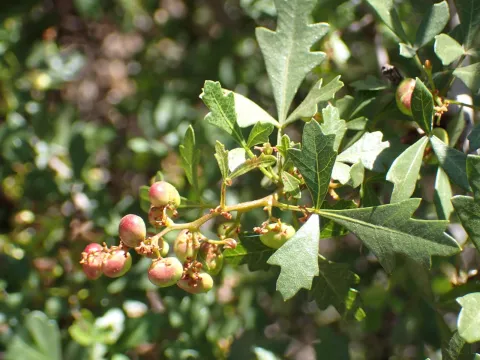
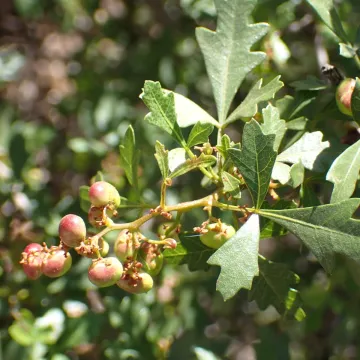
Botanically, the plant is recognized by its trifoliate leaves and a dense, branching habit. The root system is notably extensive and deep-seated, which is a key adaptation for water procurement in regions with minimal annual rainfall. The flowers are small and clustered, eventually developing into drupe-like fruits rich in tannins and secondary metabolites.
From an agronomical perspective, Searsia tripartita requires well-drained soils and high sunlight exposure. It is highly resistant to salinity, making it an excellent candidate for land reclamation. Maintenance involves basic pruning to manage the shape and size of the shrub, and irrigation is only required during the establishment phase, after which the plant becomes largely self-sustaining.
The economic and agricultural utility of this shrub is diverse:
- Soil stabilization and erosion control in arid landscapes.
- Extraction of natural tannins for industrial and artisanal purposes.
- Forage material for small ruminants during seasonal feed shortages.
- Traditional medicinal use due to high concentrations of antioxidants.
While the plant is generally robust, growers should monitor for root rot if the soil retains excess water, as this is the most common cause of decline. There are few major pests that affect the plant, which minimizes the need for synthetic chemical inputs. This durability makes Searsia tripartita an ideal candidate for sustainable and low-input agricultural systems in dry zones.
Photo gallery