Selaginella densa
Selaginella densa
Description
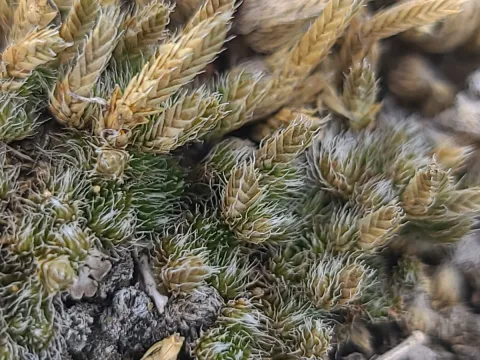
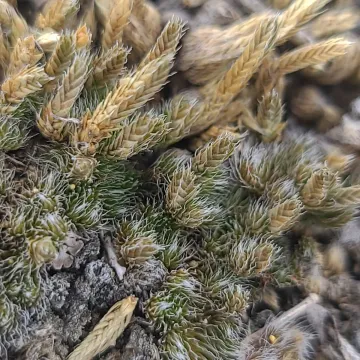
Selaginella densa is a perennial spore-bearing vascular plant belonging to the family Selaginellaceae. It is often recognized for its dense, mat-forming growth habit, which distinguishes it from other species within its genus. Unlike flowering crops, it reproduces through spores, which are produced in structures known as strobili.
The plant is native to the northern regions of North America, where it thrives in alpine tundra, rocky slopes, and well-drained mountainous areas. Its natural habitat suggests a high tolerance for cold environments and the ability to grow in nutrient-poor, mineral-rich substrates common in these regions.
Botanically, the species is characterized by its small, scale-like leaves that are tightly arranged along the branching stems. This structural density helps the plant retain moisture, making it resilient to the harsh drying winds typically found in its native highland environments.
Agricultural and horticultural cultivation of Selaginella densa requires meticulous attention to drainage and humidity. It performs best in cool, semi-shaded locations with soil that remains consistently moist but not waterlogged. Providing a well-aerated, slightly acidic soil medium is essential for optimal root development and overall plant health.
While not a traditional agricultural crop, its value lies in specialized horticulture. It is frequently utilized in rock gardens, terrariums, and as a ground cover in temperate climate landscaping. Maintenance involves regular monitoring for fungal pathogens that may arise in stagnant air conditions, ensuring the plant remains healthy throughout the growing season.
Photo gallery