Selaginella denticulata
Selaginella denticulata
Description
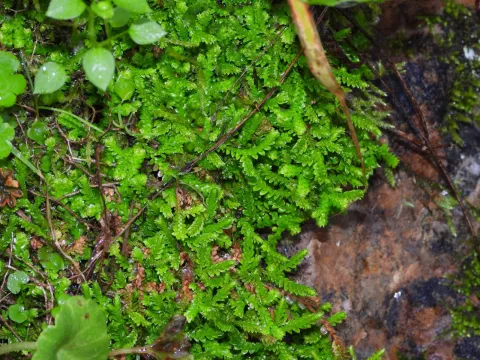
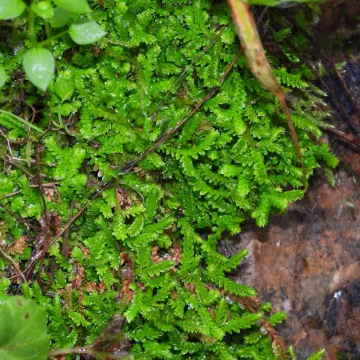
Selaginella denticulata, commonly known as denticulate clubmoss, is a perennial herb belonging to the Selaginellaceae family. Unlike traditional agricultural crops, this plant is primarily recognized for its ornamental value in indoor gardening, terrariums, and specialized greenhouse production.
The plant is native to the Mediterranean region and parts of Western Europe. In its natural habitat, it thrives in damp, shaded environments, such as forest floors, damp cliffs, and areas near streams, reflecting its high requirements for atmospheric and soil moisture.
Botanically, it is characterized by its trailing, branching stems covered with small, finely toothed leaves. It produces spores for reproduction, although in commercial cultivation, vegetative propagation through cuttings or division of the root system is the standard method used to maintain genetic uniformity.
Cultivation requires specific environmental control. The plant demands a temperature range of 18–22°C and a well-draining, slightly acidic substrate rich in organic matter. Agrotechnical efforts must be directed toward maintaining high relative humidity and shielding the plant from direct sunlight, which can quickly dehydrate its delicate tissues.
The economic value of this plant lies in its use within the landscape design and decorative plant market. It is highly valued for its ability to create dense, vibrant green carpets in small containers, making it an essential component for modern terrariums, vivariums, and vertical indoor gardens.
- Continuous moisture levels are essential
- Avoidance of direct sun exposure
- Requirement for consistent air ventilation
- Sensitivity to cold drafts
Pest and disease management is crucial for the success of this crop. The most common threats include spider mites and various fungal pathogens, which proliferate in environments with poor air circulation or excessive moisture stagnation. Preventive measures include regular monitoring and maintaining optimal humidity levels to reduce stress on the plant.
Photo gallery