Selinum capitellatum
Selinum capitellatum
Description
Selinum capitellatum is a perennial herbaceous plant belonging to the Apiaceae family. It is a specialized botanical subject that attracts attention due to its structural complexity and the unique characteristics of its inflorescences, typical for members of the carrot family.
The plant originates from the mountainous regions of Western North America, particularly California. It thrives in habitats such as subalpine forests and moist meadows, which suggests a preference for environments with distinct seasonal cycles and cool, moist conditions during the main growth phase.
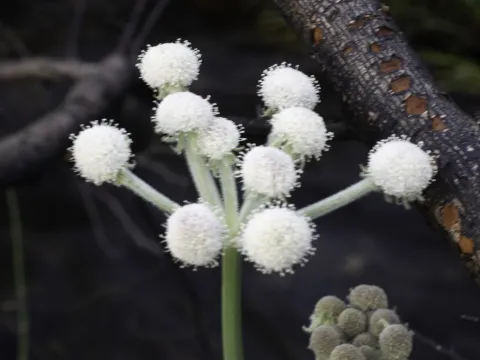
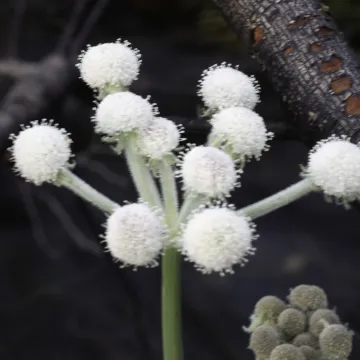
Botanically, Selinum capitellatum is distinguished by its upright growth habit and dense, capitate umbels that cluster small flowers into globose structures. The foliage is finely divided, displaying the fern-like appearance common among its relatives, often emitting a distinct, mild aroma when handled.
Cultivation requires well-draining, humus-rich soil, preferably located in partial shade to mimic natural woodland conditions. Consistent moisture is essential during the growing season, but growers must ensure excellent drainage to prevent root decay. It is generally suitable for temperate climates where soil temperatures do not fluctuate excessively.
- Requires soil pH: 6.0–7.0
- Light preference: Partial shade
- Moisture requirement: High but well-drained
The main uses are currently limited to ornamental landscape design, specifically for rock gardens or native plant collections, and botanical research. Typical pests include aphids and carrot rust fly, while susceptibility to powdery mildew and root rot makes careful site selection and spacing critical for success.
Photo gallery