
Cambridge milk-parsley
Selinum carvifolia
Description
Cambridge milk-parsley (Selinum carvifolia) is a perennial herbaceous plant belonging to the Apiaceae family. This species is native to large parts of Europe and Western Siberia, typically thriving in wetlands, damp meadows, and open woodland areas. While it is not a primary staple crop, it has gained attention for its potential medicinal and ecological value in agricultural systems.
The distribution of this species is tied to its preference for moist, nutrient-rich soils. In terms of origin, it is a plant of temperate climates, adapted to withstand cold winters and humid growing seasons. Its presence in natural grasslands makes it a subject of interest for conservation and restoration agriculture, where it is valued for its role in maintaining biodiversity.
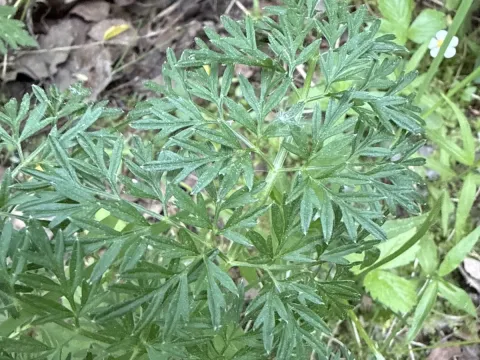
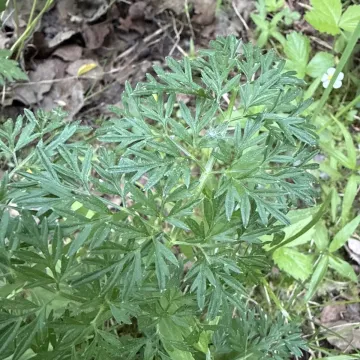
Botanically, the plant is characterized by a sturdy, ridged stem reaching up to 120 cm in height. Its leaves are pinnate, bearing a strong resemblance to caraway foliage, hence the species name. The flowers are arranged in large, white, compound umbels, which serve as a significant nectar source for local pollinators during the mid-summer peak.
When it comes to agronomy, the species requires well-drained but consistently moist soil conditions. It performs best in fertile loams with a neutral pH. Cultivation practices include establishing the crop in areas with sufficient sunlight, although it can tolerate light shade. Proper soil management and the avoidance of compaction are essential for root health, as the plant relies on a strong taproot system.
The economic value of this crop is primarily found in the pharmaceutical industry due to its chemical profile. It is also used as a specialty fodder component and as a decorative element in permaculture or meadow-style garden design. As an ethno-botanical resource, it has been studied for its potential health benefits and its ability to provide ecological services to agricultural landscapes.
- Excellent cold hardiness in temperate regions.
- Responsive to organic soil amendments.
- Susceptible to waterlogging in heavy clay soils.
- Beneficial for attracting beneficial predatory insects.
Disease management focuses on preventing fungal pathogens such as rust and mildews, which can thrive in damp environments. Typical pests include aphids and larvae of the parsley moth, which target the umbels and tender leaves. Successful production involves integrated pest management strategies, focusing on regular monitoring and maintaining optimal plant spacing to promote airflow and minimize the spread of infestation.
Photo gallery