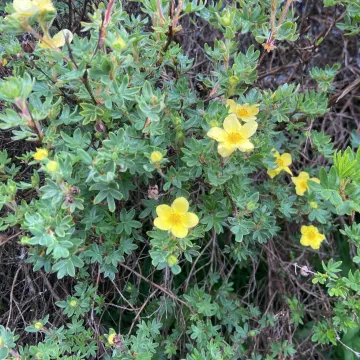

Shrubby cinquefoil
Dasiphora fruticosa (L.) Rydb. subsp. fruticosa
Description
Shrubby cinquefoil (Dasiphora fruticosa) is a long-lived deciduous shrub belonging to the Rosaceae family. It is widely recognized in horticulture for its extreme hardiness and prolonged flowering period, which provides continuous color from early summer until the first frosts of autumn.
Originating from the northern temperate regions of the globe, this plant has a vast natural distribution spanning across North America, Europe, and Asia. Its inherent genetic adaptation to cold climates makes it a staple crop for gardeners in cooler zones, where it thrives despite challenging weather conditions.
The cultural requirements are straightforward, as the plant prefers well-drained, fertile soil and full sunlight exposure. While it is tolerant of various soil types, maintaining adequate moisture levels during the establishment phase is crucial. Pruning is recommended every spring to remove old growth and encourage a bushy, compact habit.
The shrub serves multiple purposes, ranging from erosion control and border planting in landscape design to medicinal use in traditional tea preparations. Its leaves and flowers are known for their phytochemical profile, providing mild anti-inflammatory and digestive benefits when consumed as a herbal beverage.
Disease management is usually simple, though monitoring for common issues is advised:
- Powdery mildew in overly humid or stagnant air conditions.
- Rust, which can be managed with proper sanitation of fallen leaves.
- Occasional aphids, easily controlled by natural predators or gentle horticultural soaps.
Consistent airflow and proper spacing are the primary factors in preventing most common pathogenic attacks, ensuring the plant remains a low-maintenance asset for any commercial or private landscape project.
Photo gallery