
Silene donetzica
Silene donetzica
Description
Silene donetzica is a herbaceous perennial plant belonging to the Caryophyllaceae family. This species is a narrow-range endemic, and its biology is deeply connected to the unique conditions found in chalk and sandy outcrops within specific river basins.
Geographically, the species is limited to the Don and Siverskyi Donets river basins. This plant prefers specific edaphic conditions, choosing open, well-lit areas on hillsides. In natural conditions, the species rarely forms dense stands, occurring more often in small, isolated populations.
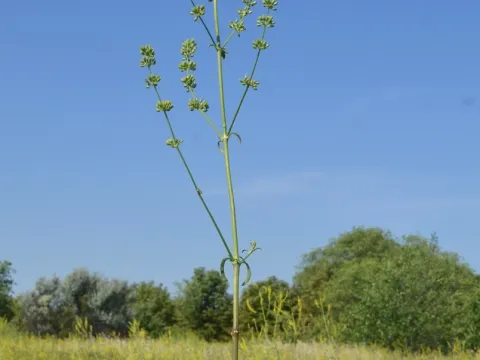
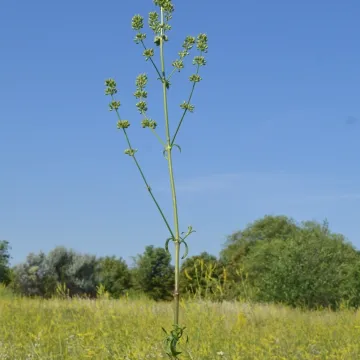
Botanically, the plant is a subshrub or perennial with a strong taproot, adapted to seeking moisture deep within stony substrates. The stems are erect or ascending and pubescent. The leaves are narrow, lanceolate, and arranged oppositely. The flowers are arranged in paniculate inflorescences and possess the characteristic calyx structure typical of the Silene genus.
The requirements for the environment of this species are highly specific. The plant is a xerophyte and a calciphile, showing excellent tolerance to extreme temperatures and moisture deficits in the soil. In cultivation, it requires a substrate with a high content of crushed stone and sand, and it cannot tolerate waterlogging or excessive organic fertilization.
In terms of economic use, Silene donetzica is not a commercial agricultural crop; however, it holds significant value for breeding as a donor of drought-resistance and adaptation genes for nutrient-poor soils. The main threats to the species are linked to human impact, chalk mining, and overgrazing, which necessitates strict monitoring and protection of its natural habitats.
Photo gallery