Hedge mustard
Sisymbrium officinale (L.) Scop.
Description
Hedge mustard (Sisymbrium officinale) is an annual or biennial herbaceous plant belonging to the Brassicaceae family. In an agricultural context, it is recognized for its medicinal properties and historical use as a soothing agent for the respiratory system, leading to its systematic cultivation in specialized herbal farming.
The plant originates from Europe and Northern Africa but has established a wide global range. It is now considered a common weed in disturbed areas and is cultivated in various temperate climates across North America and Australia. Its adaptability makes it a resilient crop for small-scale operations focusing on sustainable medicinal herb production.
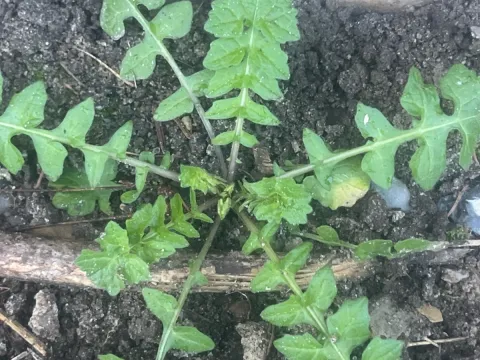
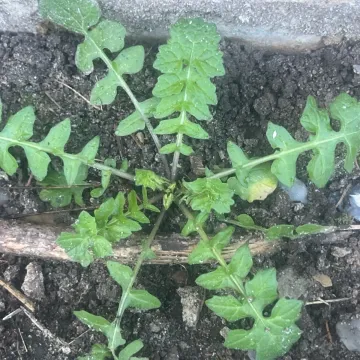
Botanically, hedge mustard is characterized by a stiff, hairy, branching stem reaching up to 90 centimeters. The leaves are lyrate-pinnatifid, meaning they have a large terminal lobe and smaller lateral lobes. The small, yellow four-petaled flowers develop into slender, appressed pods that lie closely against the stem, which is a key diagnostic feature.
Regarding cultivation, the crop prefers well-drained, loamy soils with adequate organic matter content. It thrives in open, sunny locations. The agronomic cycle involves sowing seeds in early spring, followed by regular weeding and maintenance of soil structure to support vigorous growth. It is relatively drought-tolerant once established but benefits from moisture during the flowering phase.
Primary agricultural and industrial applications include:
- Extraction of active compounds for traditional cough syrups.
- Production of botanical extracts used in throat care products.
- Use as a minor honey crop for apiaries.
- Application in organic farming as a catch crop due to its fast development.
The main pests affecting hedge mustard are flea beetles, which can cause significant foliar damage, and aphids. Disease management is crucial, as the plant is susceptible to various fungal pathogens like white rust (Albugo candida), which requires crop rotation and proper spacing to manage effectively.
Photo gallery