Spirodela intermedia
Spirodela intermedia
Description
Spirodela intermedia is a fast-growing, free-floating aquatic plant belonging to the Araceae family, specifically within the duckweed subfamily (Lemnoideae). Known for its significantly larger fronds compared to common duckweed species, it has gained substantial interest in agricultural research as a highly efficient producer of plant-based protein.
The species originates primarily from tropical and subtropical regions of South America. Its natural range encompasses a variety of freshwater ecosystems, including ponds, slow-moving rivers, and wetlands. Due to its robustness, it has been successfully cultivated in controlled environments worldwide, making it a valuable asset for sustainable agriculture in warm climates.
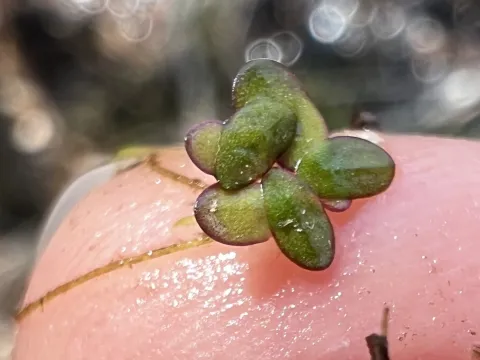
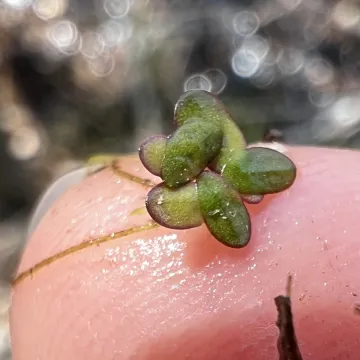
Botanically, Spirodela intermedia is characterized by flattened, leaf-like fronds that often display a reddish-purple pigment on their underside. Unlike the genus Lemna, Spirodela typically features a cluster of multiple roots hanging beneath each frond. This unique morphology enhances nutrient uptake efficiency and buoyancy control in various water conditions.
To achieve optimal growth, the species requires specific aquatic conditions, including temperatures ranging from 20 °C to 30 °C and an alkaline to neutral pH level. It thrives in nutrient-rich water environments, particularly those with high nitrogen and phosphorus levels, which makes it an ideal candidate for integrated water management and sustainable nutrient recycling systems.
The economic and agricultural utility of this plant is diverse:
- High-protein animal feed for poultry, swine, and aquaculture fish species.
- Bioremediation of wastewater by removing excess nutrients, nitrates, and heavy metals.
- Sustainable production of biomass for organic fertilizers or compost.
- Potential raw material source for bioethanol production.
Regarding health management, the crop is prone to fungal infections if the density of the floating mat becomes excessive, which reduces oxygen exchange. Common pests include certain species of aquatic beetles and larvae that feed on the fronds. Effective management includes regular harvesting to maintain optimal density and monitoring water quality to prevent the accumulation of pathogens within the aquatic crop system.
Photo gallery