Smut grass
Sporobolus indicus (L.) R. Br.
Description
Smut grass (Sporobolus indicus) is a perennial grass species belonging to the Poaceae family. While often considered a nuisance weed in managed agricultural landscapes due to its aggressive growth, it also serves as a resilient forage resource in challenging environments where more sensitive grasses fail to establish.
The plant is native to tropical and subtropical regions of the Americas and Asia. Over time, it has become naturalized in many parts of the world, particularly in warmer climates. It is frequently found in pastures, along roadsides, and in disturbed areas where the soil has been compacted or nutrient-depleted, demonstrating remarkable environmental adaptability.
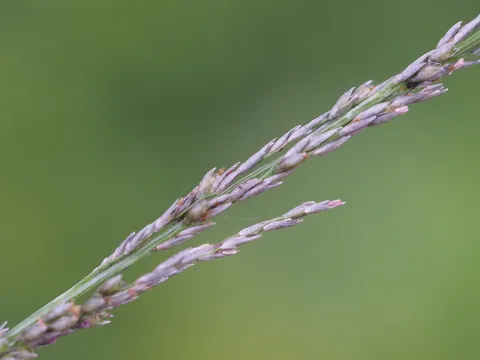
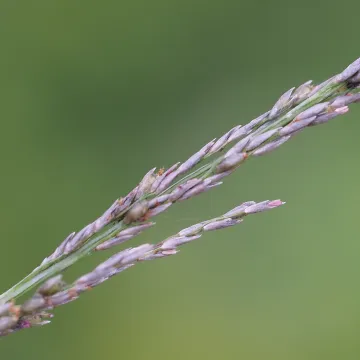
Botanically, it is a tufted, bunch-forming grass with rigid, narrow leaves and fibrous stems. Its inflorescence is a slender, spike-like panicle that often turns dark or sooty in appearance due to the presence of certain fungi, which gives the plant its common name. The root system is dense and deep, providing the plant with excellent drought resistance.
In terms of agricultural requirements, the plant thrives in full sun and various soil types, ranging from sandy to heavy clay. It does not require intensive fertilization to survive. However, for agricultural management, it is critical to prevent the grass from maturing fully, as the leaves become extremely tough and lignified, significantly reducing their palatability for livestock.
The economic utility of Smut grass is primarily related to its role as a pasture cover. Young growth is palatable and provides adequate nutrients for cattle. Beyond forage, its extensive root architecture makes it a candidate for soil stabilization in erosion-prone areas. Management usually involves rotational grazing to maintain the plants in a vegetative state.
- Excellent drought tolerance
- High adaptability to poor soils
- Rapid colonization of disturbed sites
- Effective erosion control properties
Common issues include susceptibility to fungal infections, particularly Bipolaris ravenelii, which causes the characteristic dark smut on the seed heads. Pests such as aphids and various grass-feeding insects can cause damage, though they are rarely a critical threat. Integrated weed management programs typically combine mechanical mowing with chemical control for severe infestations.
Photo gallery