Sterculia apetala
Sterculia apetala
Description
Sterculia apetala, commonly known as the Panama tree, is a prominent member of the Malvaceae family. This large deciduous tree is highly regarded for its stature and ecological resilience in tropical environments. Originating from Central and South America, it has become an iconic botanical species throughout its native range, often serving as a source of shade and resources for local ecosystems.
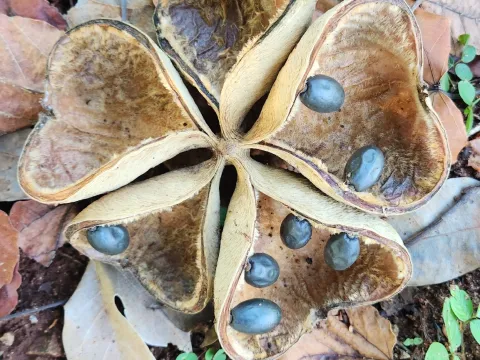
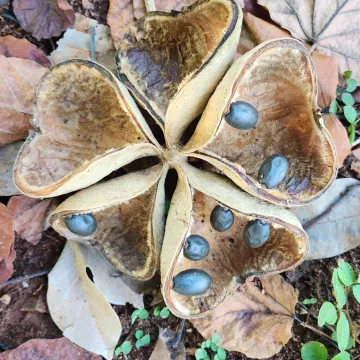
The morphology of the tree is defined by its massive trunk and palm-like leaves, which provide an excellent canopy cover. One of its most distinctive features is the structure of its flowers, which lack true petals, as the scientific name apetala suggests. The fruits are large woody follicles that contain multiple seeds, which are traditionally harvested and prepared for consumption in various culinary practices within its native regions.
In terms of agricultural requirements, Sterculia apetala thrives in warm, tropical climates with distinct wet and dry seasons. It is remarkably adaptable to various soil types, provided they are well-drained. In cultivation, the tree prefers deep, nutrient-rich soils and plenty of open sunlight. Young saplings require consistent moisture during their establishment phase, but once mature, the tree exhibits a high degree of drought tolerance.
The economic utility of the Panama tree is multifaceted, spanning several sectors:
- Culinary use: Seeds are roasted and consumed similarly to chestnuts;
- Timber industry: The wood is utilized for light construction and furniture;
- Reforestation: The species is excellent for soil stabilization and landscape restoration;
- Environmental: Acts as a vital source of nectar for local pollinators.
Regarding health management, Sterculia apetala is generally robust, although it can be susceptible to specific pests like leaf beetles or fungal infections if planted in poorly drained soil. Agronomic management should focus on maintaining adequate space between trees to encourage airflow and reduce the incidence of pathogens. Given its versatility and potential, this tree remains an important subject for sustainable forestry and tropical agricultural development.
Photo gallery