Java olive
Sterculia foetida
Description
Java olive (Sterculia foetida) is a prominent tree species belonging to the Malvaceae family. While often known for the pungent odor of its flowers, this plant is increasingly recognized as an important agricultural crop, particularly in tropical regions where its seeds are harvested for their oil content and other valuable properties.
Originating from the tropical regions of East Africa, Asia, and northern Australia, the tree thrives in areas with consistent warmth and ample sunlight. It is a hardy, drought-tolerant species once established, but it requires specific environmental conditions, including well-drained soil, to reach optimal productivity. It cannot withstand frost, which restricts its large-scale cultivation to tropical climates.
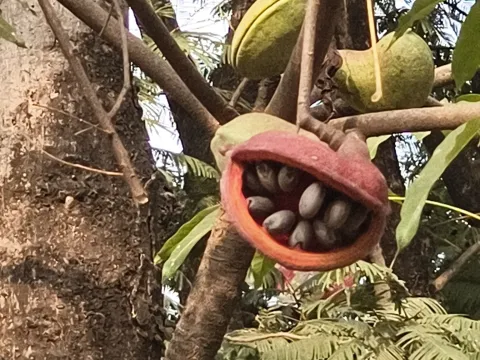
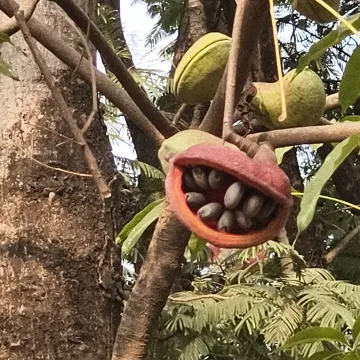
The botanical characteristics of the tree include a fast-growing habit, reaching significant heights, with compound leaves and distinctive, woody red seed pods. The seeds contained within these pods are a rich source of oil, making them a subject of interest for sustainable agricultural research. The tree generally exhibits a robust growth pattern, making it suitable for managed plantations.
Agricultural management of Java olive involves clear site selection with high soil fertility and effective drainage. Propagation is primarily carried out via seeds, followed by careful monitoring during the early stages of development. Maintaining adequate moisture levels through irrigation is essential during dry spells, while proper spacing between trees ensures long-term crop health and easier harvesting of pods.
The economic value of this crop is diverse. The extracted oil is highly sought after for its chemical properties, serving as a viable feedstock for biodiesel and various industrial lubricants. Furthermore, the tree’s timber is used for construction and furniture making. While generally resilient, producers must manage potential issues such as fungal pathogens and common insect pests through proactive field monitoring and sustainable pest management strategies.
Photo gallery