Silky bushman grass
Stipagrostis uniplumis
Description
Silky bushman grass (Stipagrostis uniplumis) is a perennial grass species belonging to the Poaceae family. It is widely recognized for its high tolerance to extreme drought and heat, making it an essential vegetation component in arid and semi-arid environments across Africa and parts of Western Asia.
The plant originates from the desert and savanna biomes where water availability is highly erratic. Due to its evolutionary adaptation, it thrives in sandy environments, playing a critical role in stabilizing dunes and maintaining the ecological balance of desert grasslands.
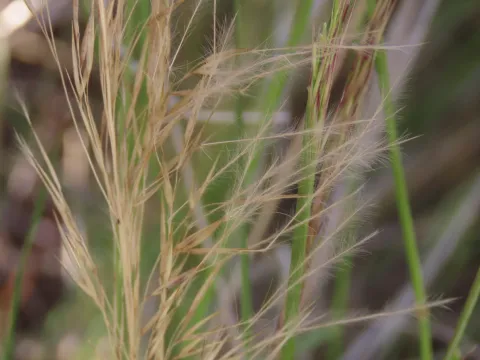
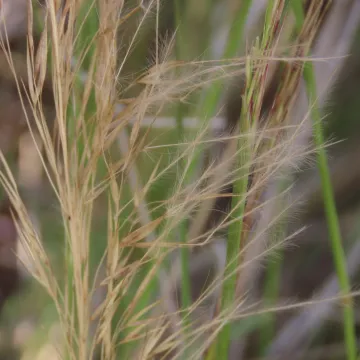
Botanically, it forms dense tufts with slender, rigid leaves and highly efficient root systems that reach deep into the soil profile. A notable feature is the feathery awn on the seeds, which facilitates wind dispersal, allowing the plant to colonize new areas effectively across open, arid plains.
In terms of agricultural requirements, this crop thrives in well-drained, sandy, or stony soils and is highly adapted to low-fertility sites. Cultivation practices focus on sustainable grazing management, as the plant can become degraded under high livestock pressure if not managed with proper rotational grazing schemes.
The primary agricultural and environmental roles of this species include:
- Providing high-quality forage for sheep, goats, and camels in arid rangelands.
- Acting as a stabilizer for loose soil, significantly reducing wind erosion.
- Contributing to the restoration of degraded ecosystems by serving as a pioneer species.
Typical threats to the population involve insect pests such as locusts or grasshoppers, which are common in desert ecosystems. While the species is highly resilient, it may suffer from fungal pathogens if exposed to prolonged periods of excessive humidity or poor soil drainage, though such conditions are naturally rare in its habitat.
Photo gallery