
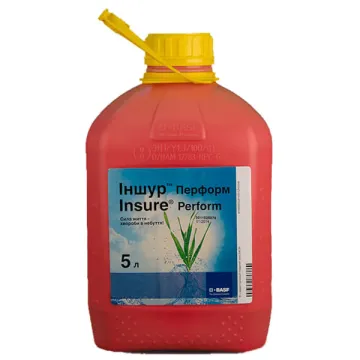
Description
Kernel blight, commonly referred to as "black point" due to the specific symptoms, is a plant disease caused by the fungus Arthrinium arundinis. It is a fungal infection that specifically targets the embryo portion of the kernel, often resulting in significant economic losses for grain producers.
This pathogen primarily infects cereal crops, including wheat and winter barley. The fungus colonizes the grain surface during the maturation stage, with the infection site concentrated at the base of the kernel where the embryo is located.
The characteristic symptoms include dark brown or black discoloration of the embryo region. In severe cases, the entire germ may appear blackened and shriveled. Under conditions of high humidity, the infected kernels may develop a fine, olive-colored fungal growth on their surface.
Disease development is highly dependent on environmental conditions. Excessive rainfall and high relative humidity during the grain-filling and ripening phases are critical factors that promote fungal sporulation and infection. A combination of warm temperatures and moisture creates the perfect environment for the pathogen to thrive.
The economic impact of kernel blight is multifaceted. It reduces seed viability, leading to poor emergence in subsequent seasons, and degrades the overall quality and marketability of the harvested grain. To manage this disease, farmers should employ strategies such as:
- Applying systemic fungicides at the heading stage;
- Treating seeds with effective fungicides before planting;
- Utilizing resistant cultivars when available;
- Harvesting at the correct moisture levels to prevent further colonization in the field.
Biology
Pathogens and affected parts
Affected plant parts
whole plant
Content graph
Affects crops · 1
Контент-граф
Connections · Kernel blight
Most often together:
Marketplace
Products · 3


VASYILCHUK REMEMBRANCE
Federal Agrarian Scientific Center of the South-East
Wheat
0
0
·
16
No offers
—
Details
Community
Discussion
No discussions yet — be the first.