
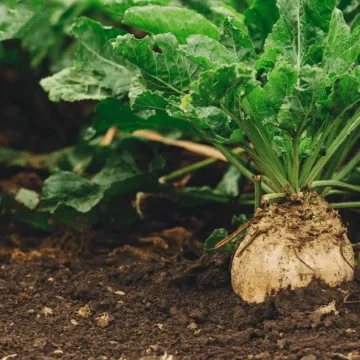
Description
Oomycete root rot is a devastating plant disease complex caused by water molds belonging to the class Oomycetes, primarily genera Pythium and Phytophthora. Although they resemble fungi, oomycetes are distinct organisms that thrive in saturated conditions, utilizing motile zoospores to swim through the soil water film and infect susceptible host roots.
This pathogen group impacts a wide range of agricultural and horticultural crops, including vegetables, fruits, nursery stock, and ornamental plants. Seedlings and young plants are particularly susceptible, often leading to total crop loss in nurseries, greenhouses, or fields where soil drainage is inadequate and water management is poor.
Symptoms of the infection start beneath the soil surface. Infected roots initially show water-soaked lesions that progress to brown, necrotic, and mushy tissues. As the root system loses its functionality, the plant displays symptoms such as stunting, yellowing (chlorosis), wilting during the hottest part of the day, and eventual collapse and death.
Development is heavily favored by environmental factors such as high soil moisture, poor drainage, and cool temperatures. Oomycetes produce durable resting spores called oospores, which allow the pathogen to survive in the soil for several years even in the absence of a host, making long-term management challenging once the soil is contaminated.
- Improve soil drainage and avoid over-irrigation to eliminate standing water.
- Use certified disease-free transplants and sanitize all agricultural tools and equipment.
- Implement long-term crop rotation with non-host species to reduce pathogen pressure.
- Apply specific fungicides targeting oomycetes, such as metalaxyl or mefenoxam, at the first sign of infection.
- Utilize soil solarization or steam pasteurization in intensive greenhouse environments to eliminate primary inoculum.
Контент-граф
Connections · Oomycete root rot
Most often together:
Marketplace
Products · 15


Community
Discussion
No discussions yet — be the first.