

Description
Bacterial soft rot is a destructive plant disease primarily caused by bacteria of the genus Pectobacterium and Dickeya. This pathogen belongs to the soft rot group and is characterized by the rapid enzymatic degradation of plant cell walls, leading to the collapse of host tissues into a watery mass.
The disease affects a wide range of commercially important vegetables, including potatoes, onions, carrots, cabbage, and tomatoes. The bacteria thrive in nutrient-rich plant tissues and can infect plants through wounds caused by mechanical damage, weather events, or insect feeding, spreading efficiently through contaminated water and soil.
Symptoms initially appear as small, water-soaked, translucent spots that expand rapidly in size. Within a short period, the internal tissues turn into a mushy, foul-smelling liquid. The epidermis may remain intact for a while, covering the decayed interior, but eventually, the entire plant structure loses its integrity and liquefies.
The development and spread of soft rot are highly dependent on environmental conditions, particularly high humidity and warm temperatures. Poor drainage in fields and inadequate ventilation in storage facilities are the most significant risk factors, as they create an environment where bacterial populations can multiply exponentially.
Management and prevention strategies are essential for minimizing losses:
- Practicing strict crop rotation with non-host plants.
- Ensuring proper soil drainage and minimizing mechanical damage during harvest.
- Maintaining cool and well-ventilated conditions in storage areas to inhibit bacterial growth.
- Carefully removing and disposing of infected plant material immediately upon detection.
- Controlling insect vectors that can facilitate the transmission of the pathogen.
Контент-граф
Connections · Bacterial soft rot
Most often together:
Marketplace
Products · 2
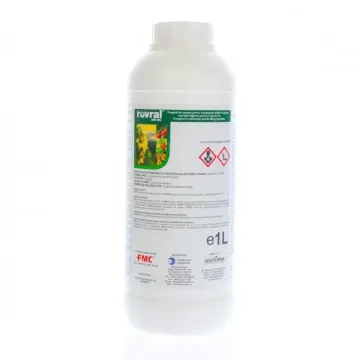
Rovral Aquaflow
БАСФ Агро БВ, Швейцарія, на заводі , Франція,Італія (Сієна)
Fungicides
0
0
·
4.1K
6 offers
13.6 €за 1 л
Купить
Community
Discussion
No discussions yet — be the first.