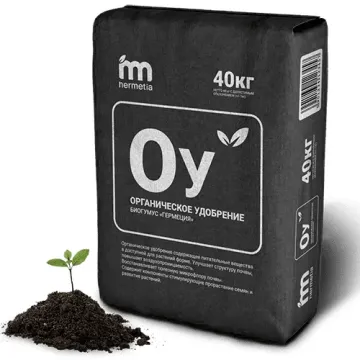
Organic Fertilizers "Biohumus. Mixtures based on biohumus", kg.
Hermes Agrofirm LLC
Fertilizers
0
0
·
1.8K
2 offers
0.3 €за 1 кг
Купить

Humic substances represent a complex class of organic molecules that are essential components of soil fertility. In agronomy, they serve as natural soil conditioners and biochemical catalysts that significantly increase the efficiency of plant nutrient absorption. By chelating minerals, humic and fulvic acids make essential nutrients more bioavailable for plant root uptake.
The role of humic substances in plant nutrition is multifaceted: they stimulate root system development, enhance cell membrane permeability, and promote better metabolic processes. By increasing the soil's cation exchange capacity, they effectively retain nutrients near the roots, preventing leaching, especially in sandy or highly permeable soils.
Symptoms of humic deficiency in crops include stunted growth, chlorosis, and a poorly developed root system, leading to overall low resilience against environmental stress. Without an adequate presence of these organic compounds, the efficiency of applied chemical fertilizers significantly drops, as plants cannot fully process them.
An excess of humic substances is rarely harmful in natural conditions, but excessive use of synthetic humic stimulants can sometimes lead to nutrient imbalances or stimulate excessive vegetative growth at the expense of fruit production. Proper management requires adhering to specific application rates tailored to the crop type and current soil organic matter levels.
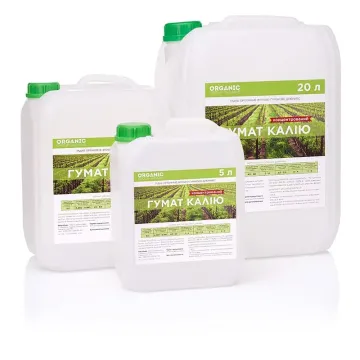
Humic substances are found in various agricultural products, including potassium and sodium humates, compost, manure, and vermicompost. Effective application methods include soil incorporation before planting, seed treatment, and liquid foliar sprays or fertigation during the critical stages of plant development to maximize yield potential.