

Description
Humic acids are complex organic compounds resulting from the humification process of organic matter in the soil. In modern agronomy, they are classified as plant growth stimulants and soil conditioners that profoundly impact the bioavailability of essential nutrients. Unlike fertilizers that provide NPK, humic acids optimize the environment for nutrient uptake.
The primary role of humic acids in plant nutrition is the chelation of metal ions, making minerals like iron, zinc, and manganese more accessible to plant roots. By improving the cation exchange capacity of the soil, they prevent the leaching of nutrients and ensure that fertilizers are used more efficiently by the crop, which leads to improved plant vitality.
A deficiency of humic substances often leads to stagnant growth, poor root development, and decreased resistance to abiotic stresses such as salinity or drought. While a literal "excess" of humic acid is rare, applying excessive quantities of industrial formulations could lead to temporary imbalances in soil pH or nutrient competition if not managed correctly within an integrated fertilization program.
Commercial formulations typically contain humates, often derived from leonardite or peat. These are sold as liquid concentrates, powders, or granular additives to mineral fertilizers. They are widely used in seed treatments to boost germination energy, as well as in foliar sprays to quickly supply micronutrients during critical physiological stages of plant development.
Application methods vary depending on the target crop and soil type. Soil application is preferred for long-term conditioning, while foliar application provides immediate physiological support. Consistent use is key to building resilient, fertile soils that support high-yield agriculture.
- Enhancement of chlorophyll production.
- Promotion of vigorous root system growth.
- Improvement of soil moisture retention.
- Stimulation of beneficial soil microbiota.
Контент-граф
Connections · Humic acids
Most often together:
Marketplace
Products · 307


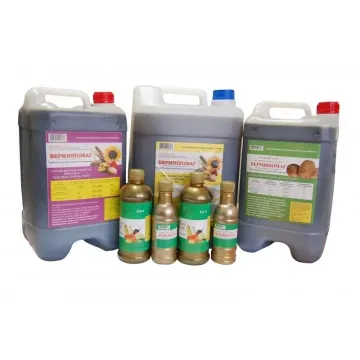
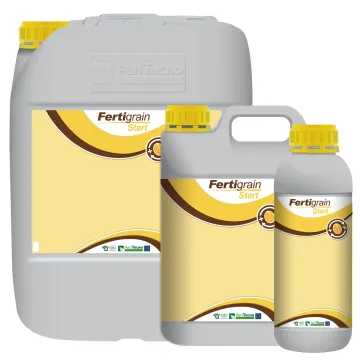
Fertigrain Start
AgriTecno Fertilizantes SL, Spain
Fertilizers
0
0
·
1.2K
11 offers
25 €за 1 кг
Купить


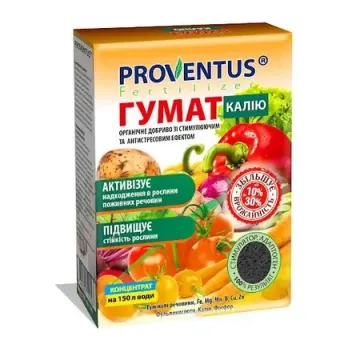
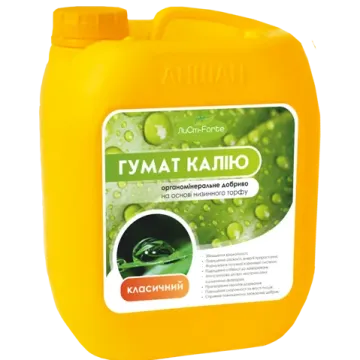
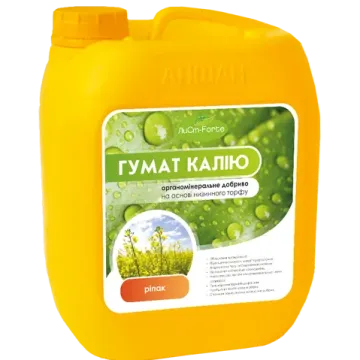
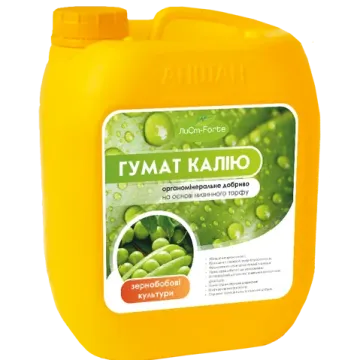
KALIUM GLUONATE FOR GRAIN AND LEGUME CROPS
LiSt-Forte
Fertilizers
1
0
·
352
2 offers
3.5 €за 1 кг
Купить


BIOVIN
КОНЯ ШЕКЕР САН. ВЕ ТІДЖ. АШ(KONYA ?EKER SAN.VE T?C.A?), Туреччина
Fertilizers
0
0
·
82
2 offers
2.9 €за 1 кг
Купить


Humifield
Компанія "Humintech GmbH" (Німеччина)
Plant Growth Regulator
0
0
·
73
7 offers
24.9 €за 1 л
Купить
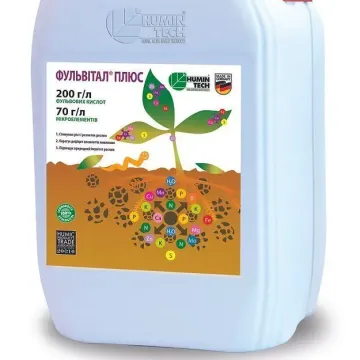
Fulvital Plus VR
Компанія "Humintech GmbH" (Німеччина)
Fertilizers
0
0
·
65
5 offers
10.6 €за 1 кг
Купить

VIGORTEM-C
ТОВ «КВІМІКАС МЕРІСТЕМ» (QUÍMICAS MERISTEM, S.L.), Іспанія
Fertilizers
0
0
·
65
5 offers
4 €за 1 кг
Купить

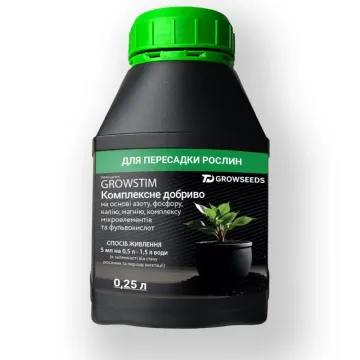


DuoFertil MPPA DUO
«Timak Agro Düngemittelproduktion und Ha»
Fertilizers
0
0
·
61
3 offers
2.5 €за 1 кг
Купить


Nanit
Scientific-Production Company "Kvadrat", LLC
Fertilizers
0
0
·
55
13 offers
2.4 €за 1 кг
Купить


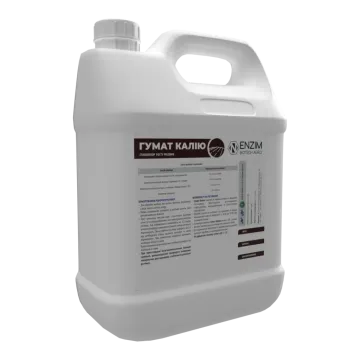
Gumistar BP
F. International Trading Corporation, LLC
Plant Growth Regulator
0
0
·
54
2 offers
11.6 €за 1 л
Купить
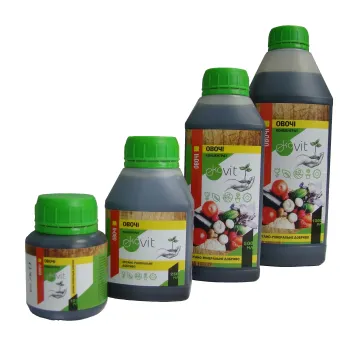
Organic-mineral fertilizers «EcoVit»
EKOVIT-2016, LLC
Fertilizers
0
0
·
54
6 offers
1.2 €за 1 кг
Купить


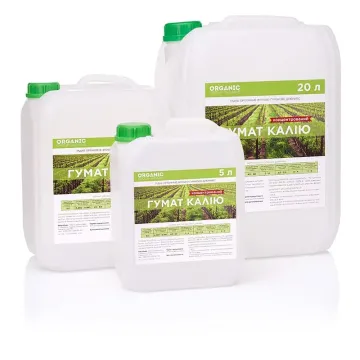


Guliver
На замовлення ТОВ «Компанія «Укравіт» (Україна)ТОВ «Фабрика Агрохімікатів» (Україна
Plant Growth Regulator
0
0
·
53
10 offers
4 €за 1 л
Купить
GUMISTAR V.R.
F. International Trading Corporation, LLC
Plant Growth Regulator
0
0
·
53
1 offer
Купить


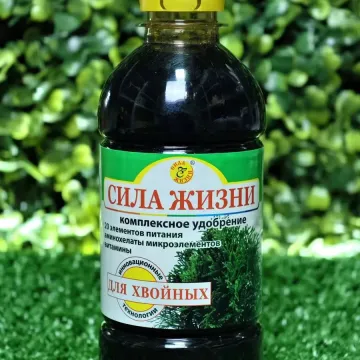
Organic-mineral fertilizer "Sila Zhizni"
ТОВ НВП «Сила Жизни»,Росія.
Fertilizers
0
0
·
52
1 offer
2.6 €за 1 кг
Купить

Comprehensive Organic-Mineral Fertilizer «AgroHumate»
ЗАТ «Балтконверсія»
Fertilizers
0
0
·
52
4 offers
4.7 €за 1 кг
Купить

Yaros
Приватне підприємство «ЯРОС» (м. Біла Церква, Україна)
Fertilizers
0
0
·
52
11 offers
5 €за 1 кг
Купить


